Blackstone Griddle Uneven Heat
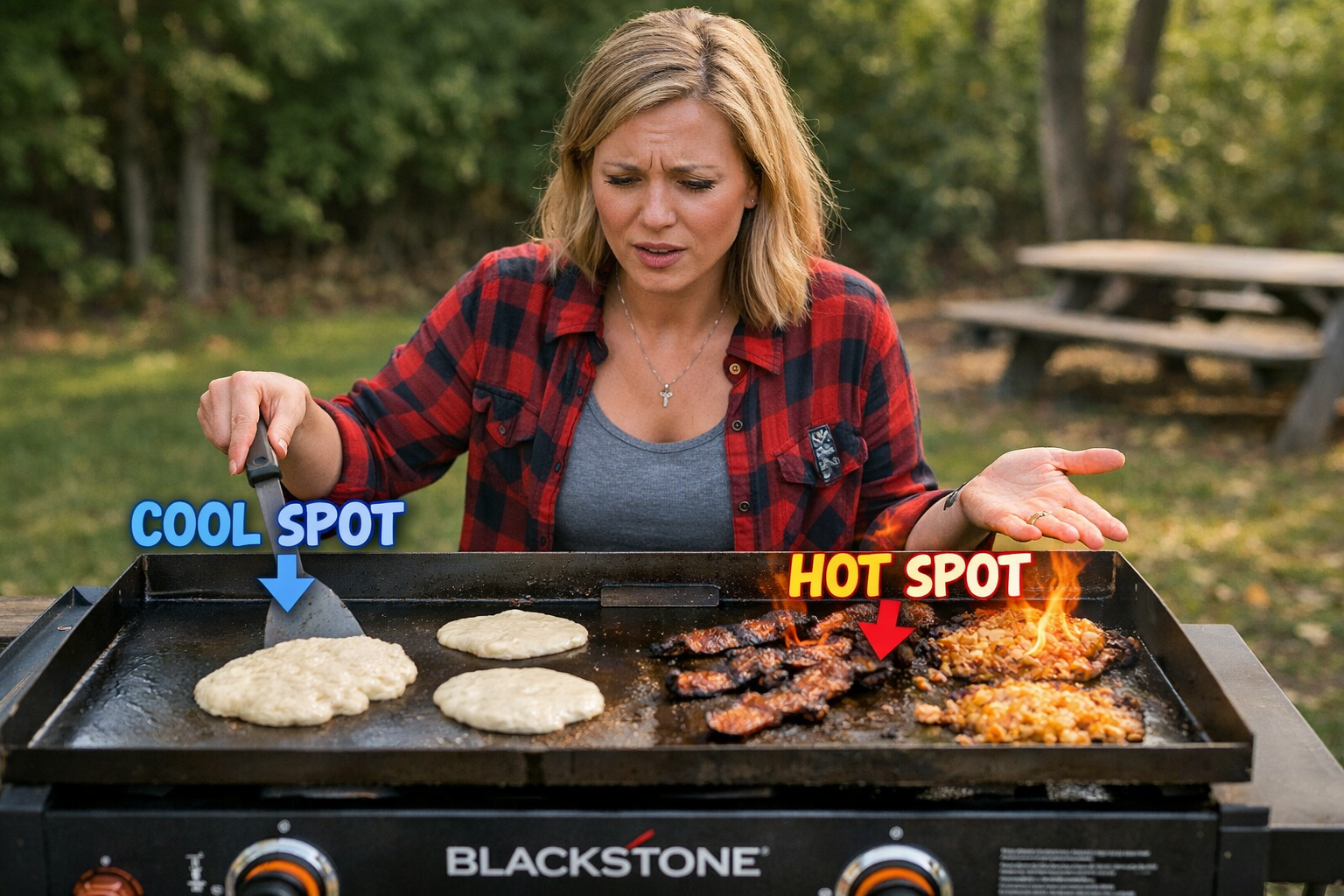
Uneven heat on a Blackstone griddle can be incredibly frustrating. One side cooks perfectly while the other stays cold, pancakes brown unevenly, burgers cook faster in one spot, and stir-fry turns into a guessing game. If you’re facing this issue, don’t worry—uneven heat is a common Blackstone problem and is almost always fixable at home.
In most cases, uneven heating is caused by setup issues, airflow problems, or maintenance mistakes—not a defective griddle. This guide explains why your Blackstone griddle heats unevenly and how to fix it safely and effectively.
Table of Contents
🔍 Is Uneven Heat Normal on a Blackstone Griddle? – Blackstone Griddle Uneven Heat
A small amount of temperature difference across the surface is normal, especially near edges. However, large hot and cold zones are not normal and indicate a problem that needs attention.
If food consistently cooks unevenly, it’s time to fix the root cause.
1️⃣ Wind Interfering with Burners
One of the most common causes of uneven heat is wind. Outdoor airflow can cool certain burners while others remain hot, creating cold zones across the griddle surface.
Signs wind is the problem:
- uneven heat mainly outdoors
- one side cools faster
- temperature changes during cooking
✅ What Actually Works
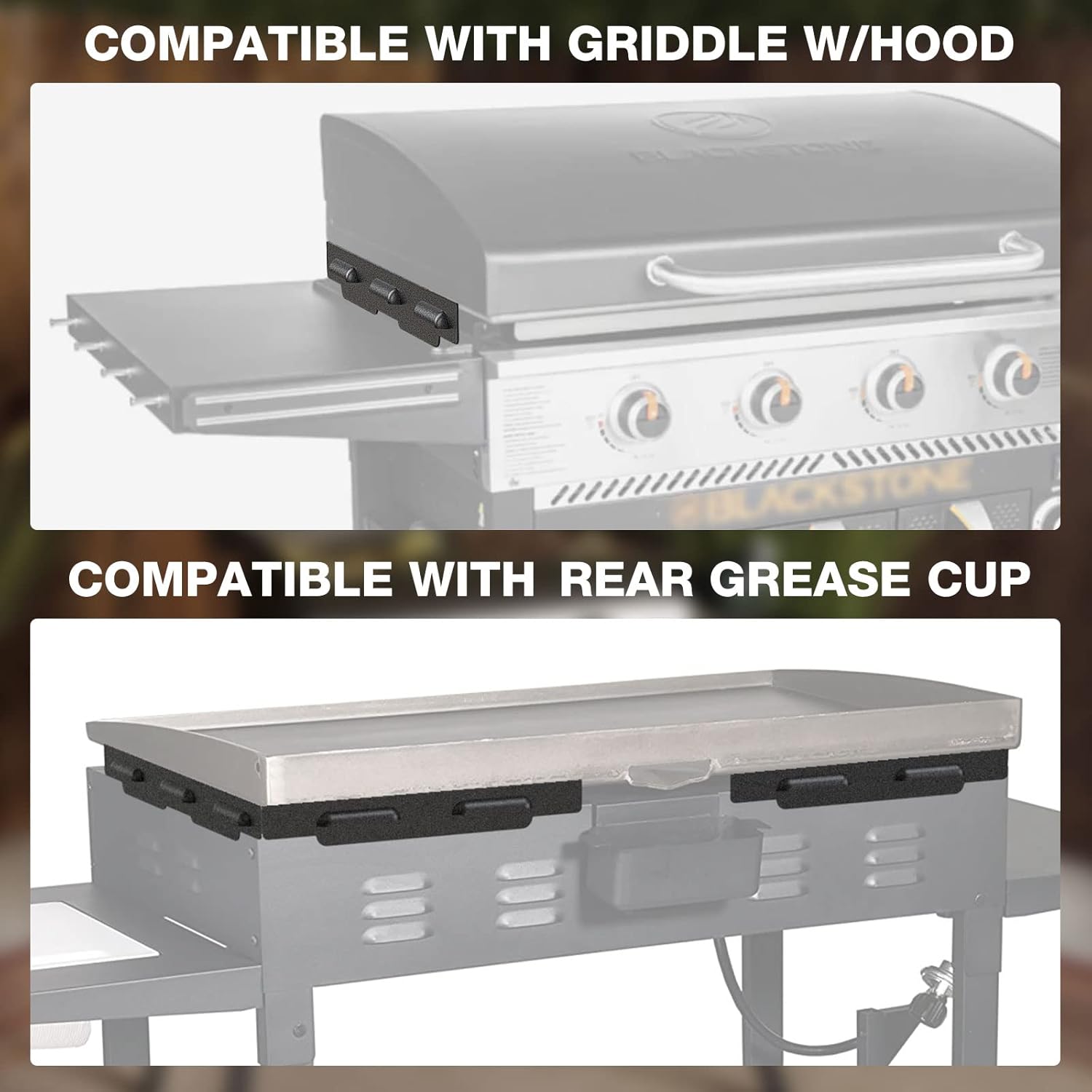
Cook in a sheltered area or block airflow around the griddle. Using griddle wind guards helps trap heat evenly and prevents burners from losing flame strength.
2️⃣ Burners Partially Clogged
Grease, dust, carbon buildup, or insects can clog burner ports, reducing gas flow in certain sections. This leads to uneven flame strength and uneven heating.
Symptoms:
- weak flame on one burner
- delayed ignition
- visible flame differences
✅ What Actually Works
Turn off gas and let the griddle cool. Remove the griddle top and inspect the burners. Clean ports gently with a brush or compressed air to restore full gas flow.
3️⃣ Griddle Not Fully Preheated
Many people start cooking too early. A partially heated griddle surface will always cook unevenly.
✅ What Actually Works
Preheat the griddle for 10–15 minutes with burners on medium-high. Heat must spread across the steel evenly before cooking begins.
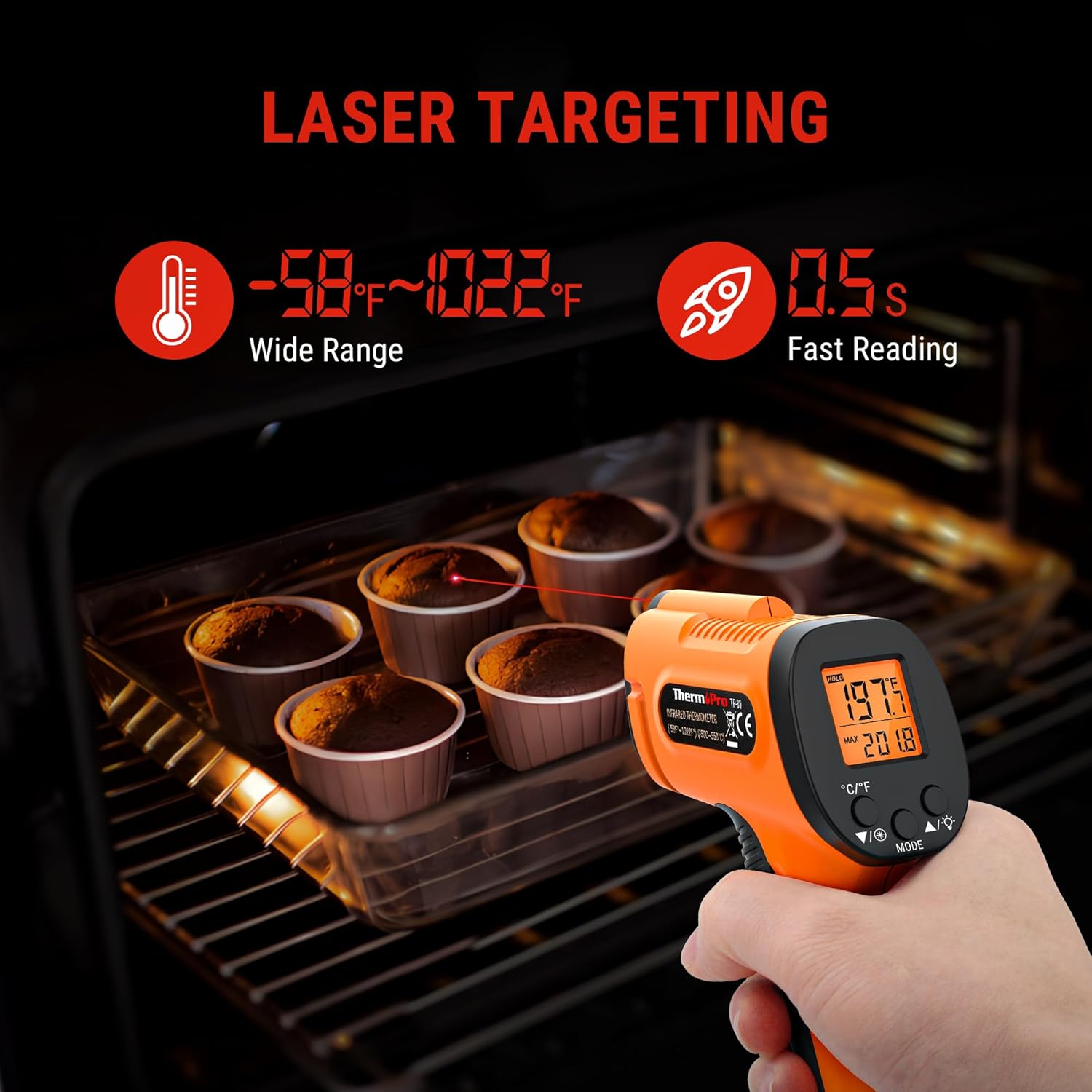
Using an infrared surface thermometer helps confirm even temperature across zones and removes guesswork.
4️⃣ Improper Burner Adjustment
Running one burner on high and another on low creates uneven heat zones.
✅ What Actually Works
Set burners evenly based on what you’re cooking. For large meals, balance burner levels instead of relying on one hot spot.
5️⃣ Thick or Uneven Seasoning Layers
Heavy seasoning buildup insulates the steel, blocking heat transfer in some areas.
Signs:
- dark sticky patches
- uneven surface texture
- smoke without food
✅ What Actually Works
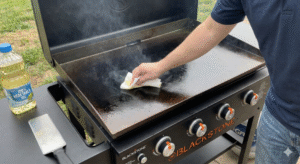
Scrape off excess buildup gently and re-season using thin, even layers. Thin seasoning conducts heat better and improves consistency.
6️⃣ Griddle Plate Not Centered Properly
If the griddle plate isn’t seated correctly on the frame, heat may escape instead of transferring evenly.
✅ What Actually Works
Remove and reseat the griddle plate. Make sure it sits flat, centered, and evenly aligned over all burners.
7️⃣ Propane Pressure Issues
Low or inconsistent gas pressure can cause uneven flames, especially across multiple burners.
Signs:
- weak flames
- uneven flame height
- slow heating
✅ What Actually Works
Reset the regulator by disconnecting and reconnecting the propane tank properly. If the issue continues, replacing the regulator may be necessary.
🔥 How to Test for Even Heat
A simple test:
- Preheat the griddle
- Sprinkle a few drops of water across the surface
- Observe evaporation speed
Areas that evaporate slower indicate cooler zones.
🔒 How to Prevent Uneven Heat in the Future
- Preheat fully every time
- Clean burners regularly
- Control wind exposure
- Maintain thin seasoning layers
- Balance burner settings
- Store griddle covered
Consistent care leads to consistent heat.
Blackstone Griddle Food Sticking – Fix It Without Damage
⭐ Final Thoughts
Blackstone griddle uneven heat is rarely a serious problem. In most cases, wind, dirty burners, improper preheating, or uneven seasoning are the real culprits. Once you correct these issues, your griddle will heat evenly and cook like a professional flat-top.
Understanding heat behavior gives you better results, better flavor, and a much smoother cooking experience.