If you’ve just bought a Blackstone griddle or you’re re-seasoning an old one, this question comes up almost immediately: can I use vegetable oil to season my Blackstone griddle? The short answer is yes—but the real answer needs a bit more explanation.
Many people assume they must buy expensive, branded seasoning products. In reality, vegetable oil is one of the most common and effective oils for seasoning a Blackstone, especially if you apply it correctly. It’s affordable, easy to find, and when used properly, it creates the same protective, non-stick surface you expect from a flat-top griddle.
Let’s walk through this the way a real Blackstone owner would—not like a manual.
Table of Contents
Why Vegetable Oil Actually Works on a Blackstone – Can I Use Vegetable Oil to Season My Blackstone Griddle
Blackstone griddles are made from cold-rolled steel. That steel needs a protective layer to prevent rust and food sticking. Seasoning isn’t about flavor—it’s about polymerization, where oil bonds to the hot steel and forms a hard, protective coating.
Vegetable oil works well because:
- it’s designed to handle high heat
- it polymerizes reliably when applied thin
- it’s neutral (no strong smell or taste)
- it’s easy to control
Many long-time Blackstone users start with vegetable oil simply because it’s already in the kitchen—and they never feel the need to switch.
When Vegetable Oil Is a Smart Choice
Vegetable oil is especially good if:
- this is your first seasoning
- you’re seasoning a new griddle
- you’re re-seasoning after rust removal
- you want a budget-friendly option
It may not sound fancy, but the results speak for themselves when it’s done right.
How Seasoning Goes Wrong (And Why People Blame the Oil)
Most seasoning problems don’t come from the oil itself—they come from how much oil is used.
Too much vegetable oil will:
- smoke excessively
- create sticky patches
- flake later
- cause uneven seasoning
When people say vegetable oil “doesn’t work,” it’s almost always because the layer was too thick.
Seasoning is about thin coats, burned off fully. Once you understand that, vegetable oil performs exactly as it should.
The Right Way to Season with Vegetable Oil
Start by washing a new griddle with warm, soapy water to remove factory residue. Dry it completely—no moisture should remain. Then turn all burners on high and let the steel heat up until the surface changes color. This is normal.
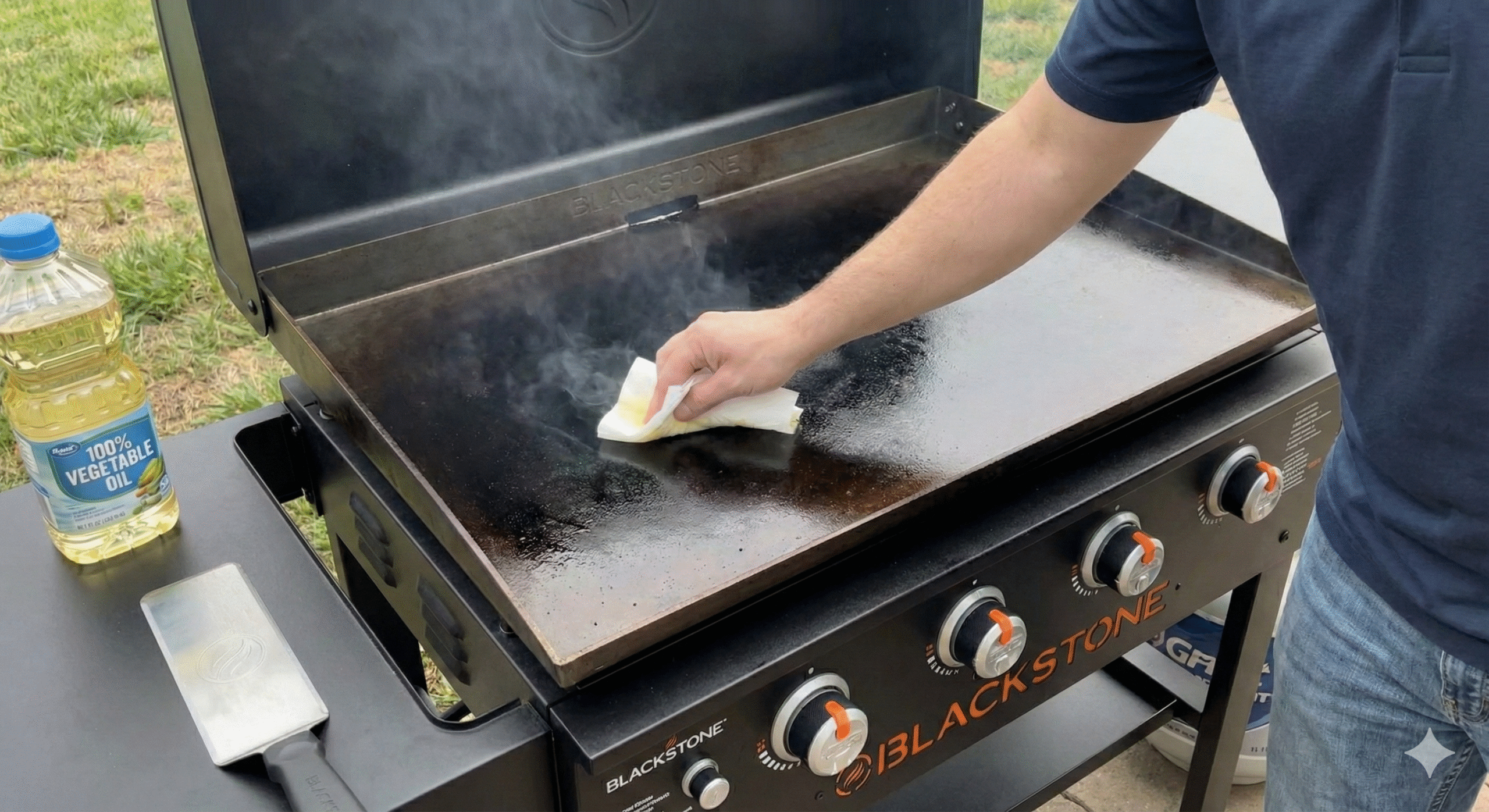
Once the griddle is hot, add a very small amount of vegetable oil. Spread it across the surface, edges, and corners using a paper towel. You should almost feel like there isn’t enough oil—that’s the right amount.
Let the oil smoke and burn off completely. When the smoke fades, repeat the process. After three to five rounds, the surface will darken and start to feel smoother.
This is exactly how many experienced Blackstone owners season their griddles.
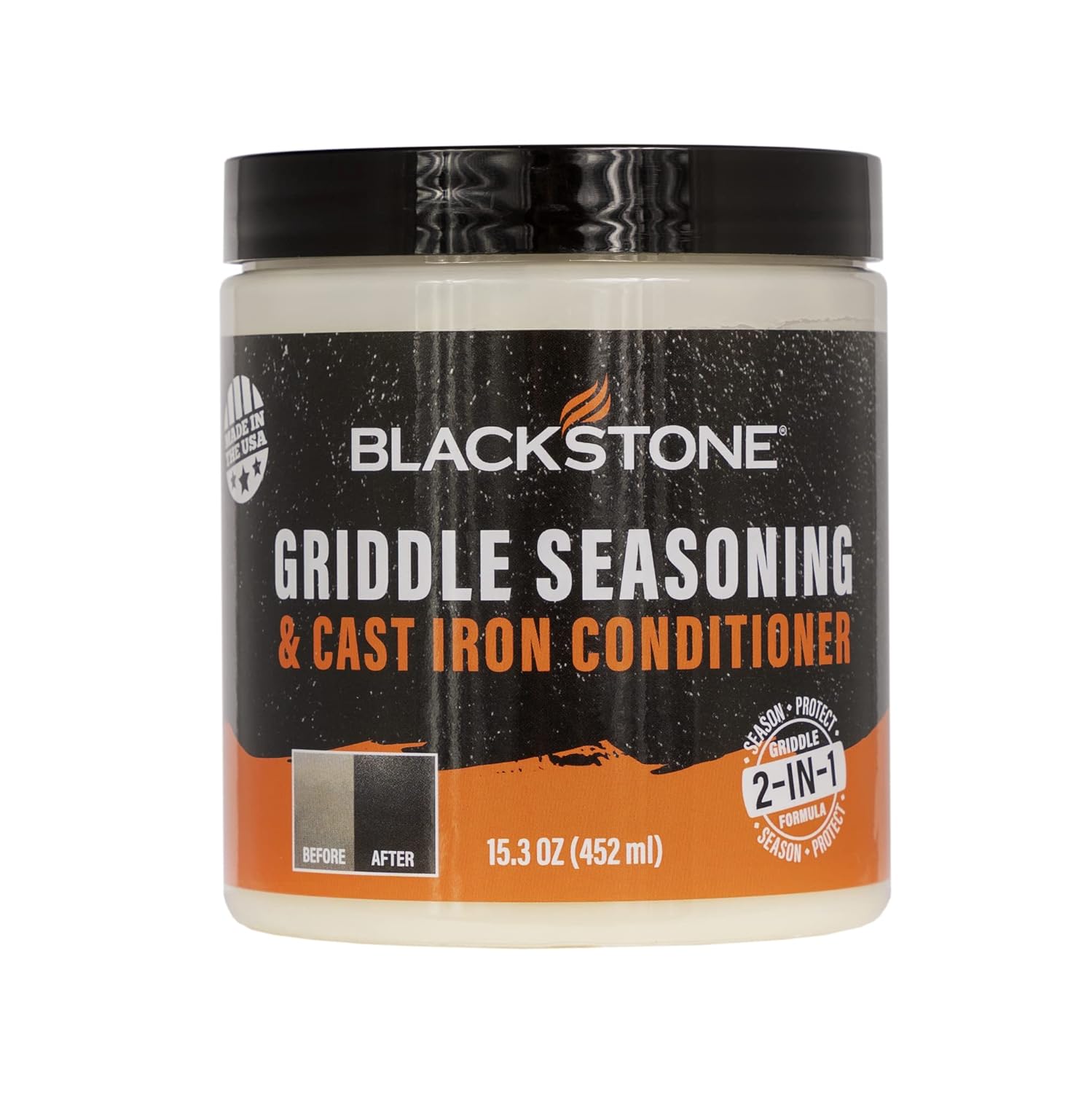
Some people prefer to use a griddle-specific seasoning oil for their first coat because it’s designed to polymerize faster and more evenly, especially for beginners.
What to Expect After Seasoning with Vegetable Oil
After proper seasoning:
- food releases more easily
- rust resistance improves
- cleanup becomes easier
- the surface darkens naturally over time
Your griddle won’t look perfect immediately. A Blackstone surface improves with use. Every cook adds another micro-layer of seasoning.
Blackstone Griddle Uneven Heat – Reasons & Fixes
Vegetable Oil vs Other Oils (Honest Take)
Vegetable oil is not “the best” or “the worst.” It’s simply reliable.
Some oils polymerize harder or faster, but that doesn’t make vegetable oil a bad choice. For most home cooks, it does the job without complications.
The key difference isn’t the oil—it’s technique and consistency.
Keeping That Seasoning Strong
Once your griddle is seasoned, maintenance matters more than the oil you chose.
After each cook:
- scrape food residue while the surface is warm
- wipe clean with paper towels
- apply a light oil coat before storing
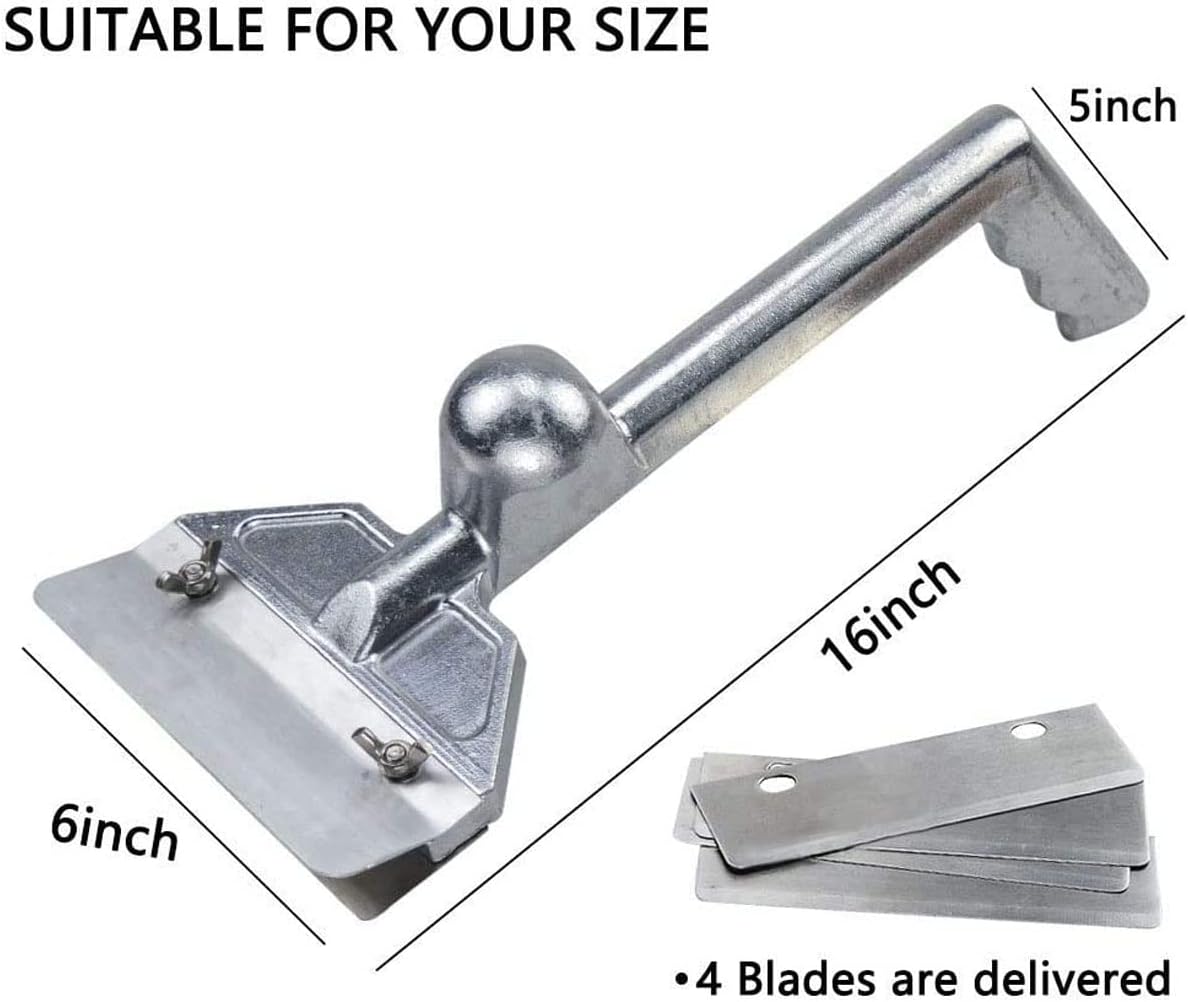
A good flat-top griddle scraper makes this process faster and prevents buildup that can ruin seasoning.
Common Mistakes to Avoid
Avoid:
- pouring oil directly onto a cold griddle
- using thick oil layers
- seasoning without enough heat
- stopping before the oil fully burns off
- washing with water and not re-oiling
These mistakes cause more problems than the oil choice itself.
So… Should You Use Vegetable Oil?
Yes—you absolutely can use vegetable oil to season your Blackstone griddle, and many people do so successfully for years.
If you:
- apply it thin
- let it fully burn off
- repeat patiently
You’ll get a durable, non-stick surface that cooks beautifully.
Final Thoughts
Vegetable oil isn’t a shortcut or a compromise—it’s a practical, proven option. Seasoning a Blackstone isn’t about buying the “perfect” oil. It’s about understanding how heat, steel, and oil work together.
Once you get that part right, vegetable oil does exactly what it’s supposed to do—no hype required.