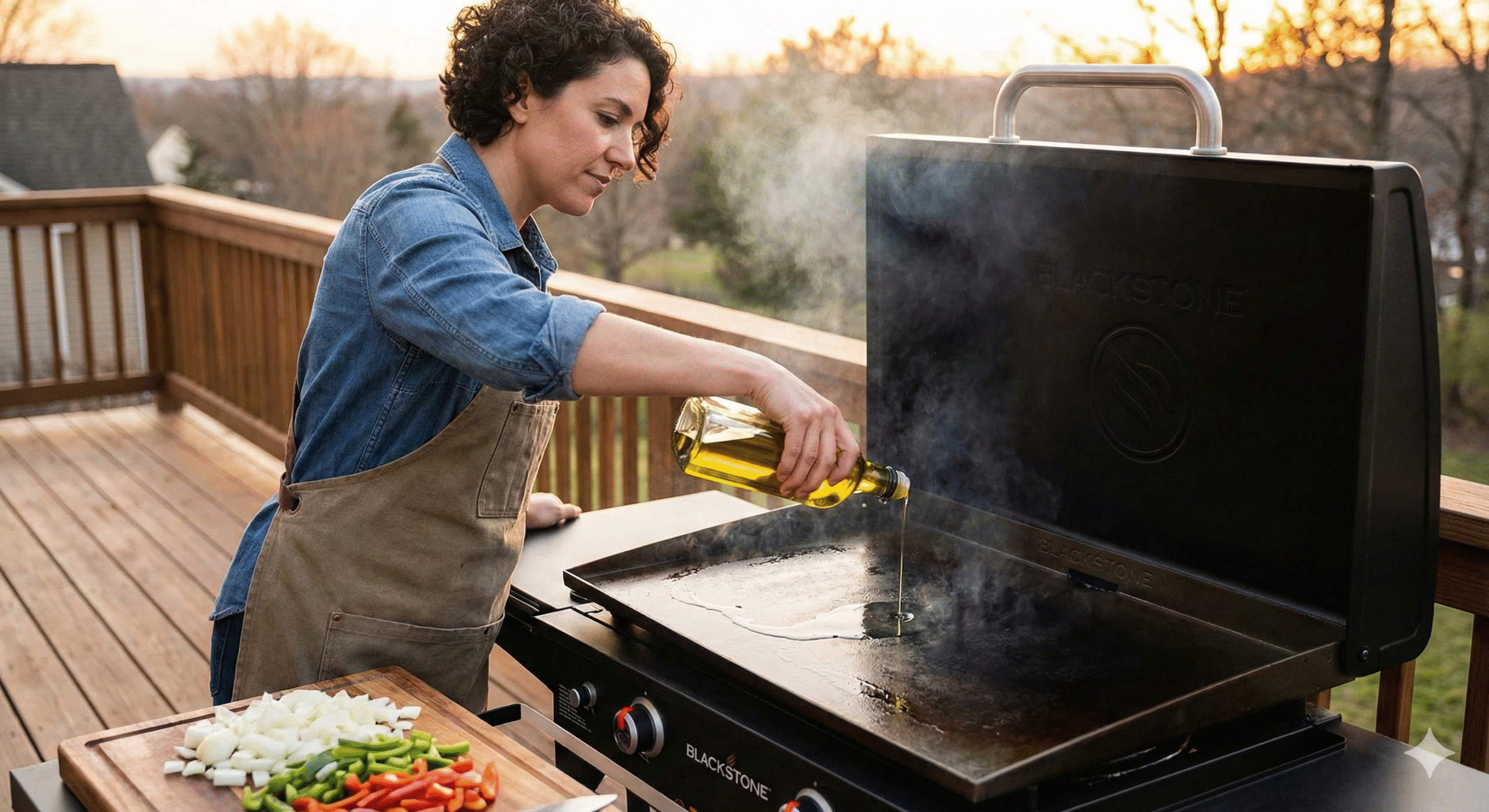
If you cook regularly, olive oil is probably the first thing you reach for. So it’s completely natural to wonder: can you use olive oil on a Blackstone griddle? The answer isn’t a simple yes or no—it depends on how and when you’re using it.
Olive oil does have a place on a Blackstone, but it’s often misunderstood. Many seasoning problems blamed on the griddle actually come from using olive oil at the wrong stage or at the wrong temperature. Let’s clear that up properly.
Table of Contents
Where Olive Oil Fits (And Where It Doesn’t) – Can You Use Olive Oil on a Blackstone Griddle?
Olive oil has a lower smoke point, roughly between 350°F and 410°F depending on the type. A Blackstone griddle, especially during seasoning or searing, easily exceeds that range. When olive oil gets pushed beyond its limit, it burns instead of bonding to the steel.
That’s why olive oil behaves very differently compared to oils made for high-heat cooking.
This doesn’t mean olive oil is “bad.” It just means it has a specific role, not an all-purpose one.
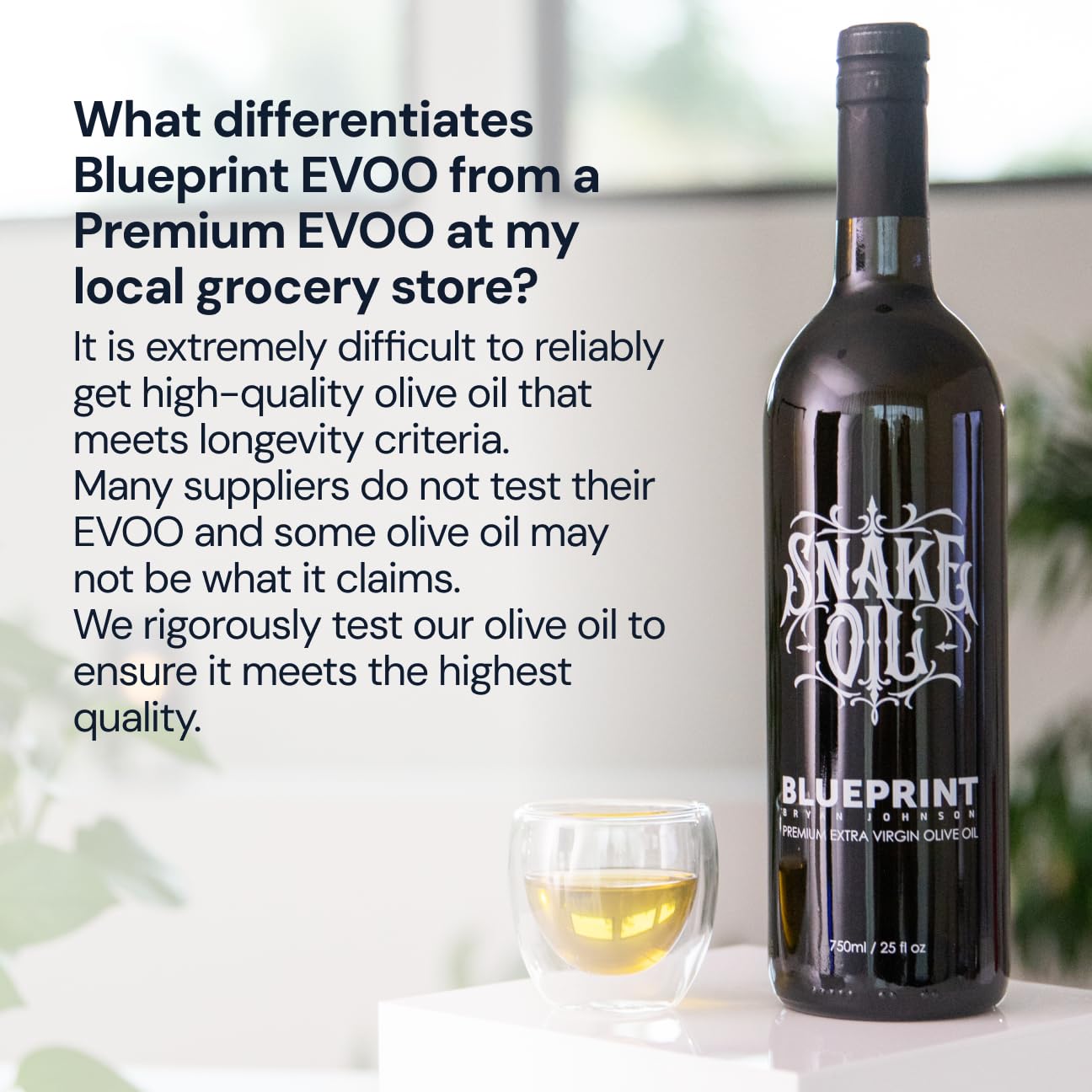
Cooking on a Blackstone with Olive Oil
Using olive oil for low-to-medium heat cooking on a Blackstone is perfectly fine. In fact, many people prefer it for flavor.
It works well for:
- vegetables
- eggs
- seafood
- lighter proteins
- quick sautés
As long as you keep the heat controlled, olive oil performs exactly as expected and adds that familiar taste people love.
If you notice excessive smoke while cooking, that’s your signal the heat is too high for olive oil—not that something is wrong with the griddle.
The Problem with Olive Oil for Seasoning
Where olive oil struggles is initial seasoning.
Seasoning a Blackstone requires oil to polymerize—basically bonding to the steel at very high heat. Olive oil tends to:
- burn too quickly
- leave sticky or uneven patches
- fail to create a durable base layer
This is especially true with extra virgin olive oil, which burns faster and leaves residue behind. Many first-time Blackstone owners run into sticky surfaces simply because olive oil was used during the first seasoning.
That’s why experienced users avoid olive oil for foundational seasoning.
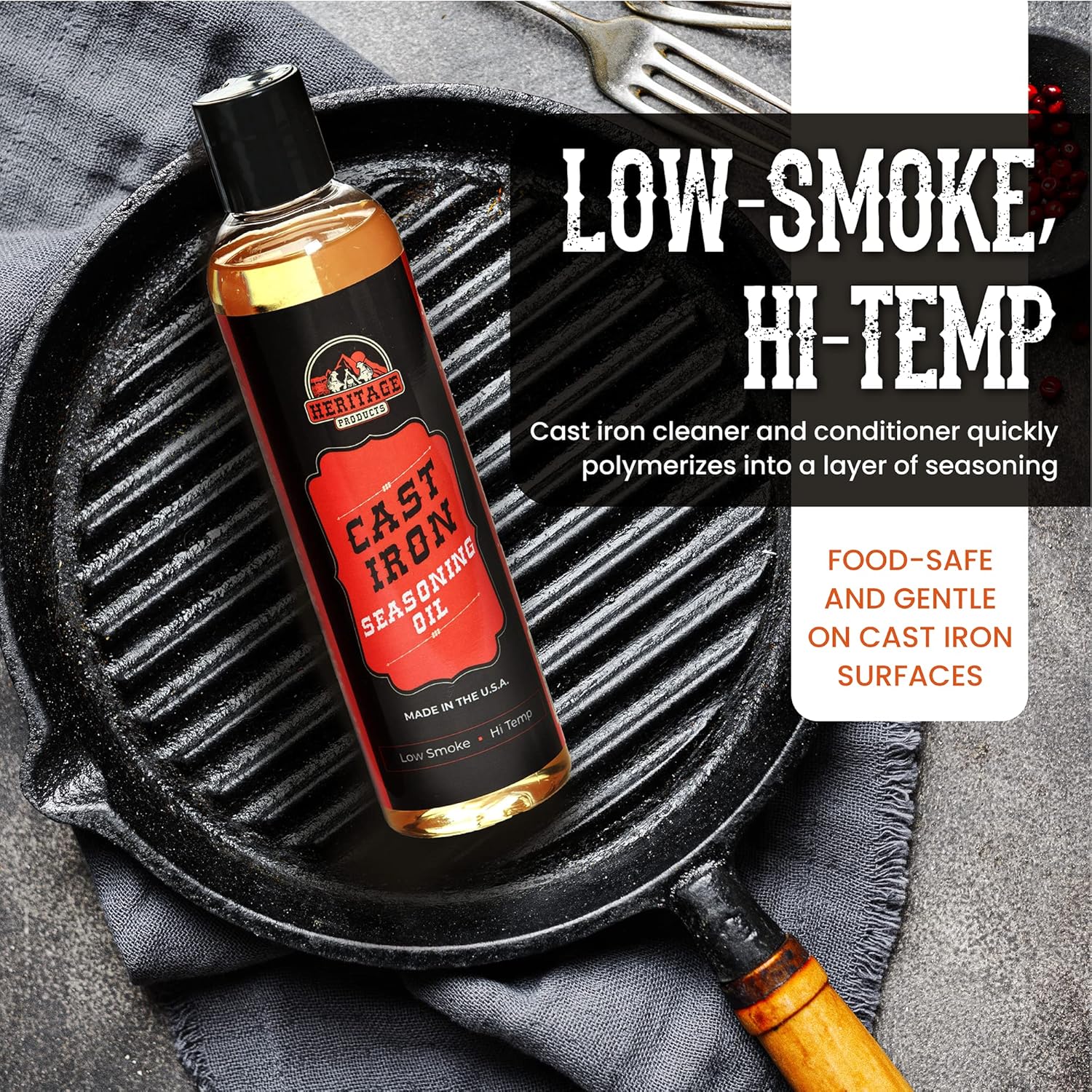
Light Olive Oil vs Extra Virgin Olive Oil
If olive oil is being used at all on a Blackstone, light olive oil is the safer option. It’s more refined, has a slightly higher smoke point, and behaves better under moderate heat.
Extra virgin olive oil, while great for finishing dishes, is the most likely to:
- smoke heavily
- turn bitter
- create sticky buildup on steel
So if olive oil is your only option, lighter versions are the better choice.
Can I Use Vegetable Oil to Season My Blackstone Griddle?
Better Oils for Seasoning a Blackstone
For initial seasoning, oils with higher smoke points perform much better. They bond more evenly, smoke less aggressively, and form a stronger non-stick layer.
Many Blackstone owners prefer oils specifically designed for flat-top seasoning because they’re formulated to polymerize cleanly under extreme heat.
Once the base seasoning is established, maintaining it becomes much easier.
Using Olive Oil for Maintenance (Where It Shines)
Olive oil actually works well for light maintenance, not heavy seasoning.
After cooking:
- wipe the surface clean
- apply a very thin oil coat
- spread evenly while warm
A small amount of olive oil helps protect against moisture and surface rust between cooking sessions, especially if the griddle won’t be used for a few days.
The key is thin application—never leave visible oil pools.
Why Sticky Residue Happens with Olive Oil
Sticky buildup isn’t a defect. It’s burned oil that never fully bonded or burned off.
This usually happens when:
- olive oil is used at high heat
- too much oil is applied
- seasoning cycles are rushed
A good flat-top scraper makes it easy to remove that residue safely without damaging the steel surface.
Once cleaned, switching to a higher-smoke-point oil usually solves the issue.
Real-World Advice from Blackstone Owners
Many long-term Blackstone users follow this simple rule:
- High heat = high smoke point oil
- Lower heat cooking = olive oil is fine
Following that logic avoids almost every seasoning and residue problem people run into.
So, Should You Use Olive Oil on a Blackstone?
Yes—but with limits.
Olive oil is great for:
- low-to-medium heat cooking
- flavor-focused meals
- light rust prevention
It’s not ideal for:
- initial seasoning
- high-heat searing
- building a long-lasting non-stick base
Understanding this difference saves time, frustration, and unnecessary re-seasoning.
Final Thoughts
Olive oil isn’t the enemy of your Blackstone—it’s just misunderstood. Used correctly, it has a place on the griddle. Used incorrectly, it creates smoke, stickiness, and confusion.
Once you match the oil to the job, your Blackstone performs exactly the way it should—and cooking becomes fun again.