What Oil to Use to Season a Blackstone Griddle
If you own a Blackstone griddle, one of the first questions you’ll ask is: what oil should I use to season it?
Seasoning is what transforms a plain steel surface into a smooth, dark, non-stick cooking area. But not all oils perform the same under high heat. Choosing the wrong oil can lead to sticky residue, uneven coating, or weak seasoning that flakes off after a few cooks.
The key to successful seasoning is simple:
Use an oil with a high smoke point and neutral flavor.
Let’s break down exactly which oils work best, which ones to avoid, and why the choice matters.
Table of Contents
Why Oil Choice Matters for Seasoning – What Oil to Use to Season a Blackstone Griddle
Seasoning works through a process called polymerization. When oil is heated past its smoke point, it breaks down and bonds to the steel surface. This creates a hardened layer that:
- Prevents rust
- Reduces food sticking
- Improves heat distribution
- Gets better with repeated use
If the oil’s smoke point is too low, it will burn unevenly and leave a sticky or brittle finish instead of forming a strong bond.
That’s why choosing the right oil is critical.
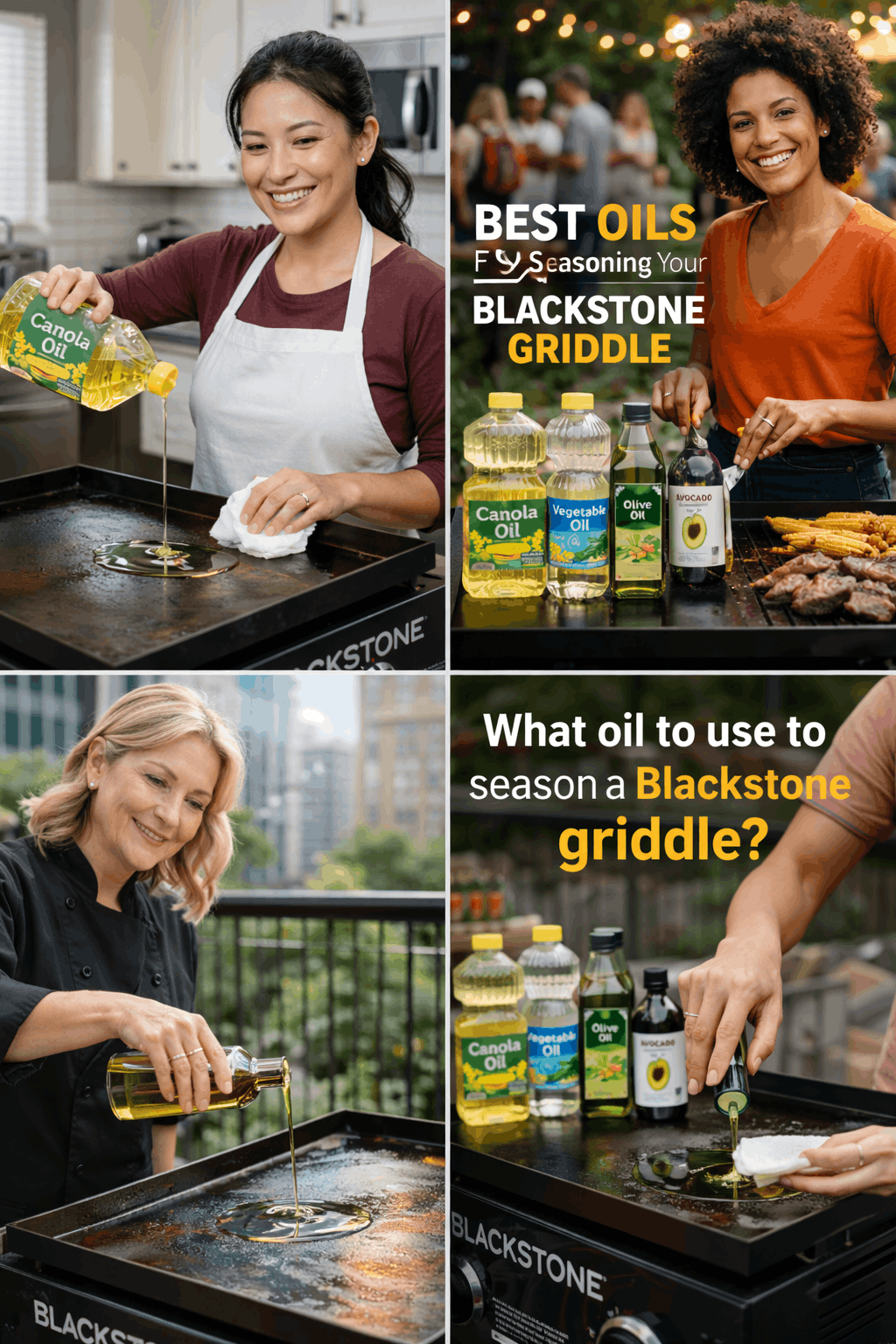
The Best Oils for Seasoning a Blackstone Griddle
1. Canola Oil
Canola oil is one of the most popular options for seasoning.
Why it works:
- Smoke point around 400–475°F
- Neutral flavor
- Affordable and widely available
- Polymerizes well under high heat
It’s beginner-friendly and produces reliable results when applied in thin layers.
2. Vegetable Oil
Vegetable oil (usually a blend of soybean or corn oils) is another common choice.
Benefits:
- High smoke point (400–450°F)
- Easy to find
- Budget-friendly
- Consistent seasoning results
It behaves similarly to canola oil and is perfectly suitable for first-time seasoning.
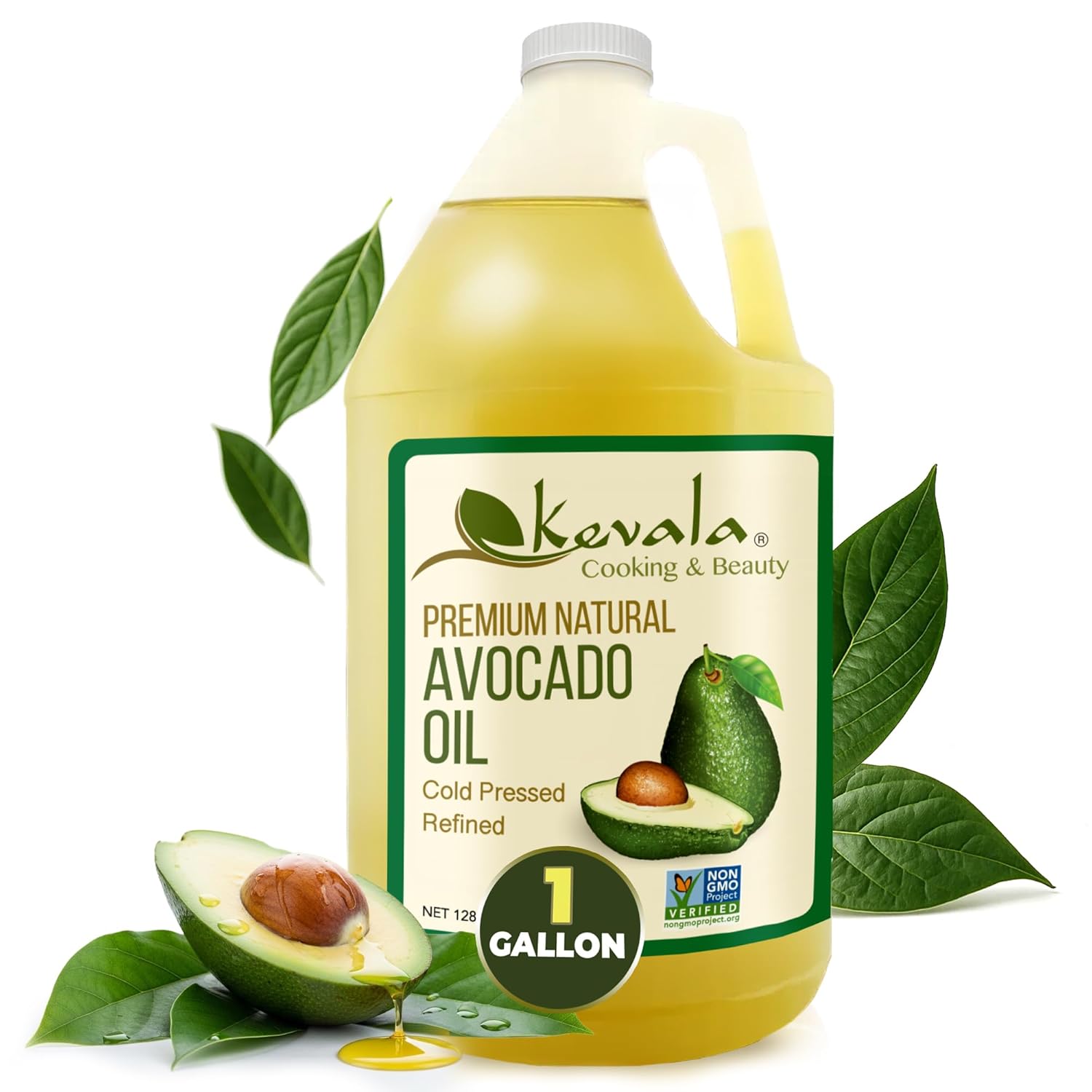
3. Avocado Oil
Avocado oil is considered a premium option.
Advantages:
- Extremely high smoke point (up to 520°F)
- Stable under high heat
- Neutral flavor
- Produces durable seasoning layers
Because of its stability, avocado oil reduces the risk of sticky buildup and burns more cleanly during seasoning.
4. Grapeseed Oil
Grapeseed oil is another excellent option.
Why it works well:
- Smoke point around 470–510°F
- Light, neutral taste
- Dries and bonds evenly
It’s slightly more expensive than canola or vegetable oil but performs very well.
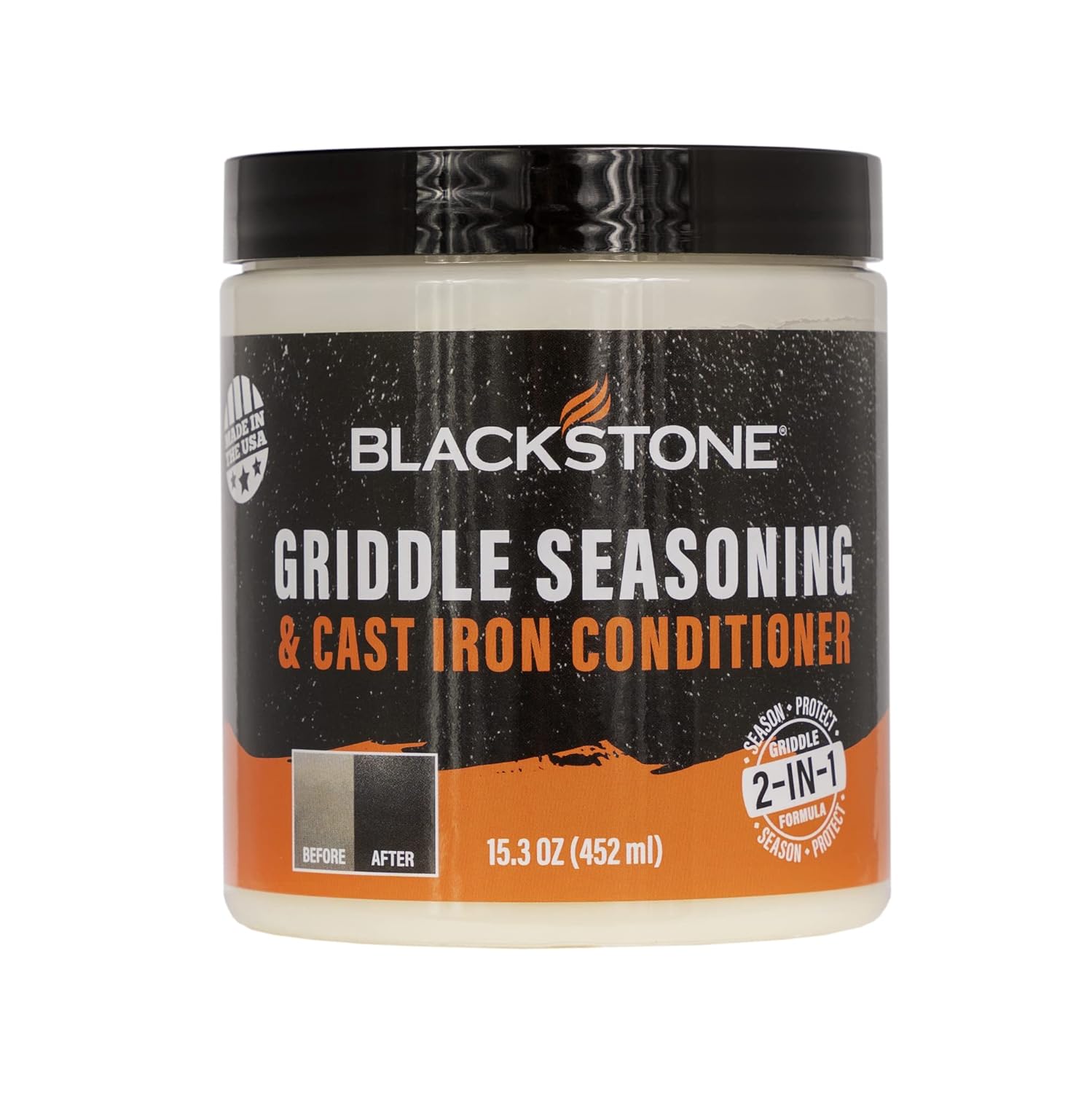
5. Blackstone Griddle Seasoning & Conditioner
Some users prefer using a product designed specifically for Blackstone steel, such as Blackstone Griddle Seasoning & Cast Iron Conditioner.
This blend is formulated to:
- Polymerize evenly
- Reduce sticky spots
- Simplify the seasoning process for beginners
It’s not required—standard oils work fine—but it can make the process more predictable, especially for first-time owners.
High Smoke Point Oil for Blackstone Griddle (Best Options & Why They Matter)
Oils to Avoid When Seasoning
Not all oils are suitable for high-heat seasoning.
Extra Virgin Olive Oil
- Lower smoke point (around 375°F)
- Breaks down too quickly
- Can create sticky residue
Butter
- Smoke point around 300–350°F
- Contains milk solids that burn
- Not suitable for seasoning
Bacon Grease
- Contains salt and impurities
- Can create brittle or uneven layers
- Better for cooking, not initial seasoning
Unrefined Coconut Oil
- Strong flavor
- Lower smoke point than refined versions
Using these oils often leads to flaking or weak seasoning.
What Makes a Good Seasoning Oil?
When choosing an oil, look for:
- High smoke point (400°F or higher)
- Neutral flavor
- Stability under prolonged heat
- Minimal additives
The higher the smoke point, the better the oil can withstand the repeated heating cycles needed for strong seasoning.
How Much Oil Should You Use?
Even the best oil will fail if applied incorrectly.
For each layer:
- Use about 2–3 tablespoons
- Spread into an extremely thin layer
- Wipe excess oil until the surface looks nearly dry
Thick oil layers cause sticky, gummy buildup. Thin layers create strong, durable seasoning.
How Many Layers Are Needed?
For a new Blackstone griddle:
- 3 to 5 seasoning cycles are recommended
Each cycle includes:
- Applying a thin oil layer
- Heating until smoking stops completely
Each layer typically takes 15–30 minutes to cure properly.
Does the Type of Oil Affect Cooking Flavor?
Once oil is polymerized during seasoning, it no longer behaves like cooking oil. The bonded layer becomes neutral and does not transfer flavor to food.
That’s why neutral oils are recommended—they avoid introducing strong aromas during the curing process.
Is Expensive Oil Necessary?
Not necessarily.
Canola and vegetable oil work extremely well and are cost-effective. Avocado and grapeseed oil offer higher smoke points but at a higher price.
For most users, canola oil provides excellent results.
Maintaining Seasoning After Cooking
After each cook:
- Scrape the surface while warm
- Wipe clean
- Apply a very thin layer of oil
This maintains the seasoning and prevents rust.
You can use the same oil you used for initial seasoning.
Does Seasoning Improve Over Time?
Yes.
Seasoning strengthens with:
- Repeated cooking
- Proper oil maintenance
- Consistent high-heat use
Over time, the surface becomes darker, smoother, and more non-stick.
Final Recommendation
If you want the simplest, safest choice:
- Use canola oil or vegetable oil for reliable results
- Use avocado or grapeseed oil for premium performance
- Consider a formulated product like Blackstone Griddle Seasoning & Cast Iron Conditioner for extra consistency
The most important factor isn’t the brand—it’s applying thin layers and letting each layer fully cure.
Quick Summary
Best oils to season a Blackstone griddle:
- Canola oil
- Vegetable oil
- Avocado oil
- Grapeseed oil
- Purpose-made seasoning conditioners
Avoid:
- Olive oil
- Butter
- Bacon grease
Choose high smoke point, apply thin layers, and be patient.
That’s the real secret to successful seasoning.