Blackstone Griddle Smoking
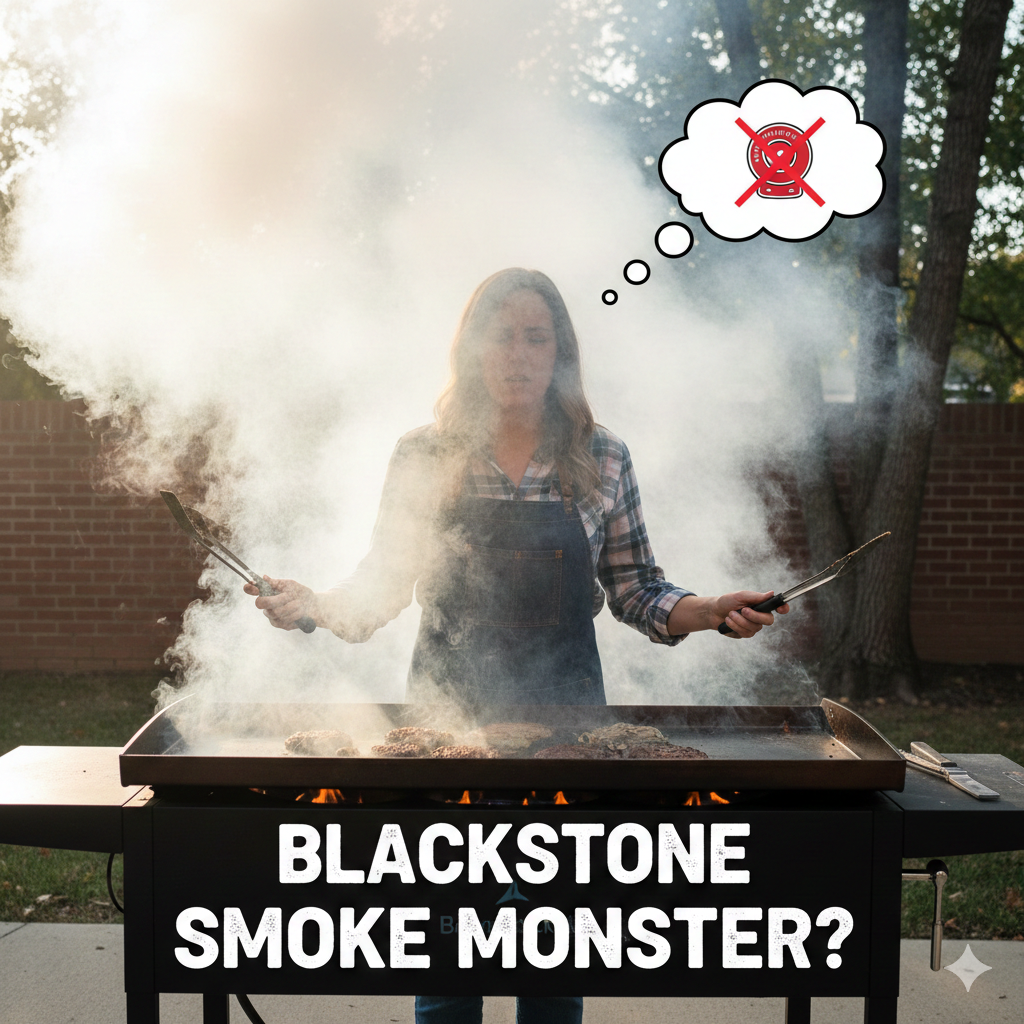
If your Blackstone griddle is smoking too much, you’re not alone. Many Blackstone owners panic the first time thick white or gray smoke starts pouring out during cooking. While a little smoke is normal, excessive smoke is a sign that something isn’t right. The good news is that most smoking issues are easy to fix once you understand the real cause.
Whether you’re cooking bacon, smash burgers, or stir-fry, too much smoke can ruin food flavor, trigger smoke alarms, and make outdoor cooking uncomfortable. This guide explains why your Blackstone griddle is smoking excessively and what actually works to fix it—without guesswork.
Table of Contents
🔍 Is It Normal for a Blackstone Griddle to Smoke? – Blackstone Griddle Smoking
Yes—some smoke is completely normal, especially during:
- first-time seasoning
- cooking fatty foods
- high-heat cooking
- burning off food residue
However, if the smoke is:
- constant
- thick and white
- smells burnt
- happening even at low heat
Then it’s time to fix the issue.
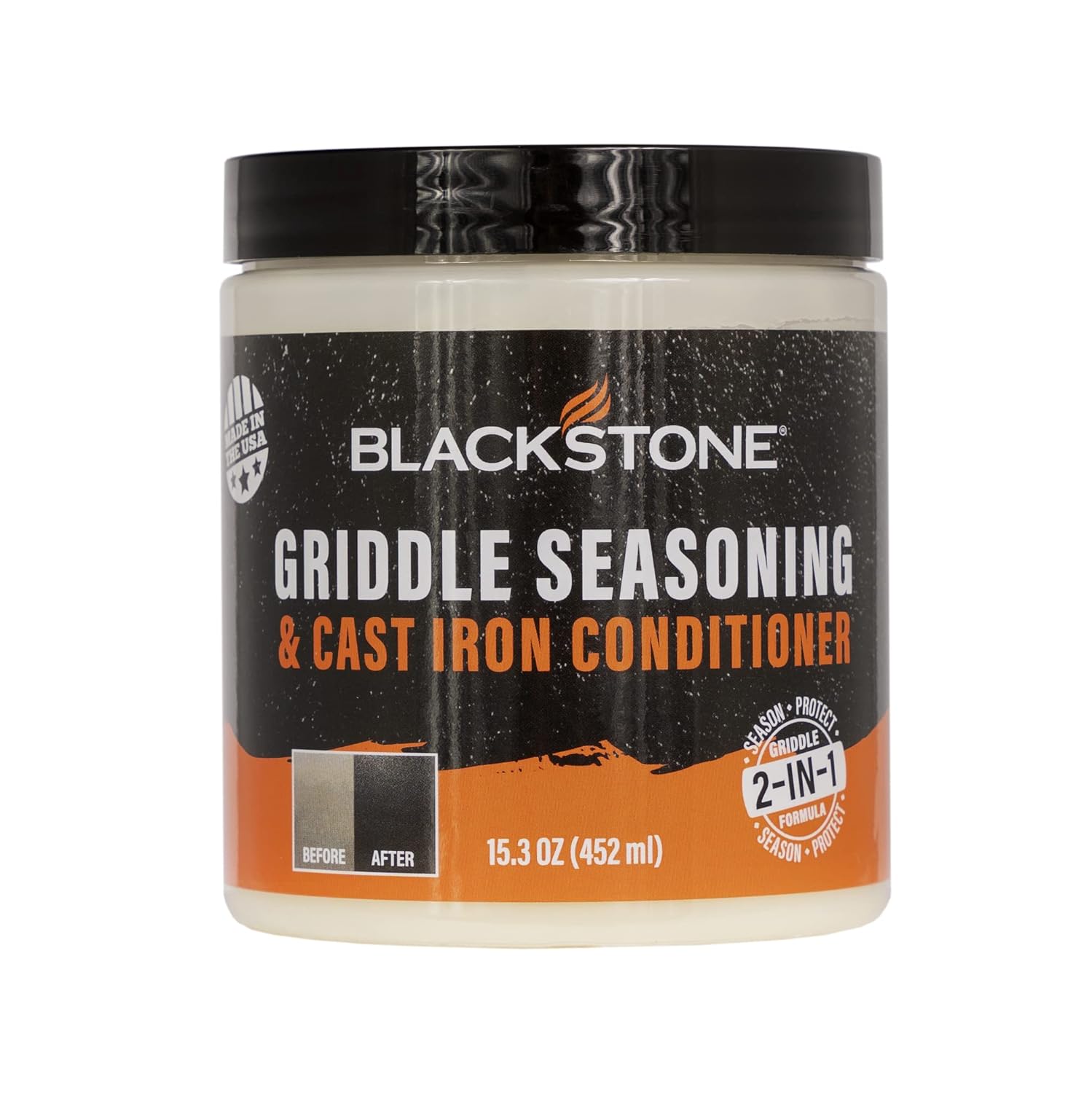
1️⃣ Too Much Oil on the Griddle Surface
The most common cause of excessive smoke is using too much oil. Blackstone griddles need oil, but over-oiling creates pooling that burns quickly and produces heavy smoke.
This usually happens when:
- too much oil is used during seasoning
- oil isn’t spread thinly
- oil with a low smoke point is used incorrectly
✅ What Actually Works
Use very thin layers of oil. A few drops spread evenly is enough. Wipe off excess oil with a paper towel before heating. Less oil = less smoke + better seasoning.
Using a high-smoke-point griddle seasoning oil helps reduce burning and smoke during cooking.
2️⃣ Cooking at Too High Heat All the Time
Blackstone griddles heat up fast and get extremely hot. Running all burners on HIGH for everything is a guaranteed way to cause smoking.
High heat:
- burns oil quickly
- creates carbon buildup
- causes food fat to smoke excessively
✅ What Actually Works
Preheat on high, then lower the heat before cooking. Different foods need different temperatures. Bacon, eggs, and vegetables cook best on medium to low heat, not full blast.
Controlling heat alone can cut smoke by more than half.
3️⃣ Grease and Food Buildup Burning Off
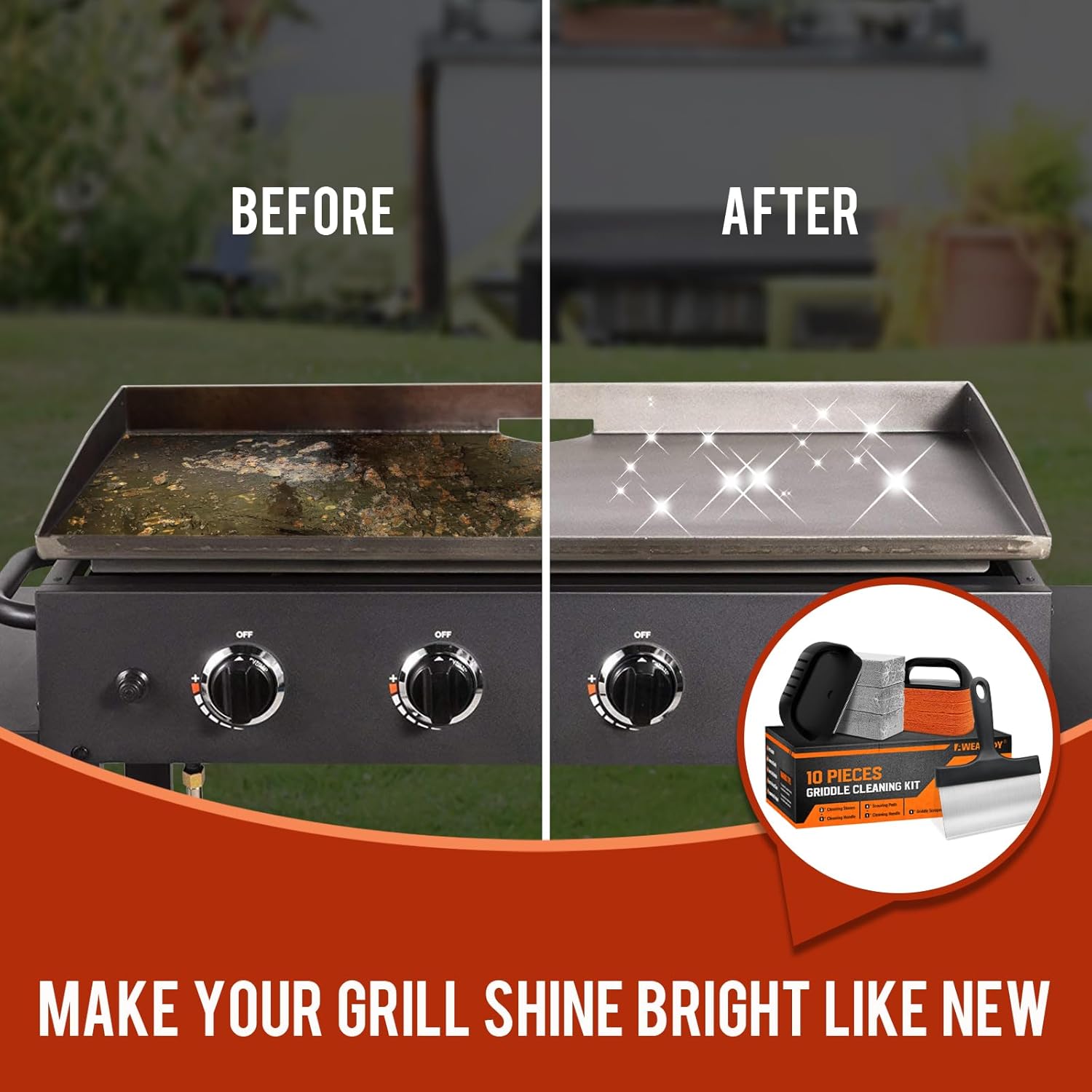
If your griddle hasn’t been cleaned properly, leftover grease, oil, and food particles will burn every time you heat it. This produces dark smoke and a burnt smell.
Signs this is the problem:
- smoke appears immediately on startup
- smoke smells burnt
- surface looks sticky or black
✅ What Actually Works
After each cook:
- scrape off food debris
- wipe surface with paper towels
- lightly oil only after cleaning
For deeper cleaning, a proper griddle scraper and cleaning tool removes built-up residue without damaging the surface.
4️⃣ Using the Wrong Type of Oil
Not all oils are suitable for flat-top griddles. Oils with low smoke points burn fast and create smoke even at moderate heat.
Oils that smoke easily:
- butter
- olive oil (regular)
- margarine
Better options:
- flaxseed oil
- grapeseed oil
- avocado oil
- canola oil
✅ What Actually Works
Use oils designed for high heat and flat-top cooking. This alone dramatically reduces smoking.
5️⃣ Thick or Improper Seasoning Layers
Seasoning protects your griddle, but too much seasoning is a problem. Thick layers trap oil and carbon, which burn and smoke during cooking.
Symptoms:
- surface looks sticky
- uneven black patches
- smoke even when no food is present
✅ What Actually Works
Season with multiple thin layers, not one thick coat. If seasoning is too heavy, gently scrape excess buildup and re-season correctly.
6️⃣ Fatty Foods Causing Natural Smoke
Some foods naturally create smoke, especially:
- bacon
- sausages
- burgers with high fat content
- marinated meats
Fat dripping onto a hot griddle will always produce some smoke.
✅ What Actually Works
This type of smoke is normal. To reduce it:
- cook fatty foods at lower heat
- drain excess grease during cooking
- avoid overcrowding the griddle
Managing grease flow keeps smoke under control.
7️⃣ Wind Trapping Smoke Around the Griddle
Outdoor conditions matter more than people realize. Wind can push smoke back onto the griddle instead of letting it escape, making it appear worse than it is.
✅ What Actually Works
Cook in an open, well-ventilated area. Position the griddle so smoke flows away from you. Avoid cooking near walls or enclosed spaces where smoke gets trapped.
🔥 How to Prevent Excess Smoke in the Future
- Use less oil
- Choose high-smoke-point oils
- Control heat properly
- Clean after every cook
- Avoid thick seasoning layers
- Drain grease while cooking
- Store griddle covered
These habits make a huge difference long term.
❓ When Should You Worry About Smoke?
You should investigate further if:
- smoke appears without oil or food
- smoke smells chemical or plastic
- flames appear under the griddle
- smoke continues at low heat
In such cases, stop cooking and inspect burners, grease tray, and airflow.
⭐ Final Thoughts
A Blackstone griddle smoking too much is usually not a serious problem—it’s almost always caused by oil, heat, or buildup issues. Once you adjust your oil usage, control temperature, and clean properly, the smoke problem disappears quickly.
Understanding how your griddle behaves helps you cook cleaner, safer, and with better flavor. With the right habits, your Blackstone will perform like a pro flat-top—without the smoke cloud.