High Smoke Point Oil for Blackstone Griddle
If you own a Blackstone griddle, you’ve probably heard this advice many times: “Use a high smoke point oil.” But what does that actually mean? And more importantly, which oils qualify?
Choosing the right high smoke point oil is one of the most important decisions you’ll make for your Blackstone. The oil you use affects:
- How well your seasoning bonds
- How evenly your food cooks
- How much smoke you produce
- How long your griddle surface lasts
Using the wrong oil can cause sticky buildup, bitter flavors, or weak seasoning that flakes off after a few cooks.
Let’s break this down clearly and realistically.
Table of Contents
What Is a Smoke Point? – High Smoke Point Oil for Blackstone Griddle
The smoke point of an oil is the temperature at which it begins to break down and visibly smoke.
When oil reaches this temperature:
- It starts to burn
- It releases smoke
- It begins chemical breakdown
For seasoning a Blackstone griddle, this breakdown is actually necessary. The oil must pass its smoke point to polymerize and bond to the steel surface.
For cooking, however, you want an oil that can handle high heat without burning too early.
That’s why high smoke point oils are essential.
Why Blackstone Griddles Require High Smoke Point Oils
Blackstone griddles are made of cold-rolled steel and are designed to run hot—very hot.
Typical cooking temperatures:
- 350°F–400°F for breakfast
- 400°F–500°F for searing
- Even higher during seasoning
If you use an oil with a low smoke point, it will:
- Burn too quickly
- Leave sticky residue
- Produce excessive smoke
- Create uneven seasoning
High smoke point oils prevent these problems.
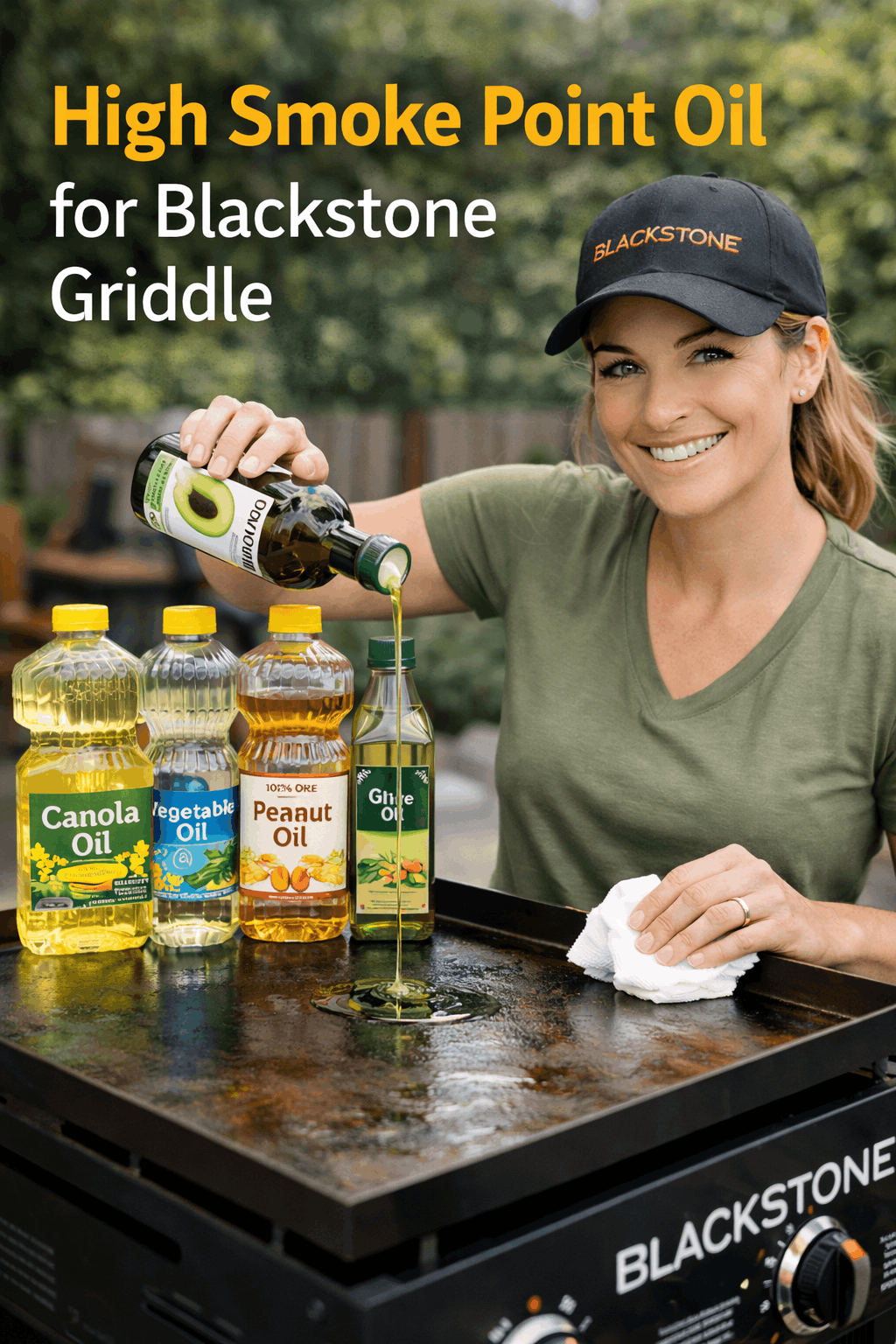
Best High Smoke Point Oils for Blackstone Griddles
Here are the top options that work consistently well.
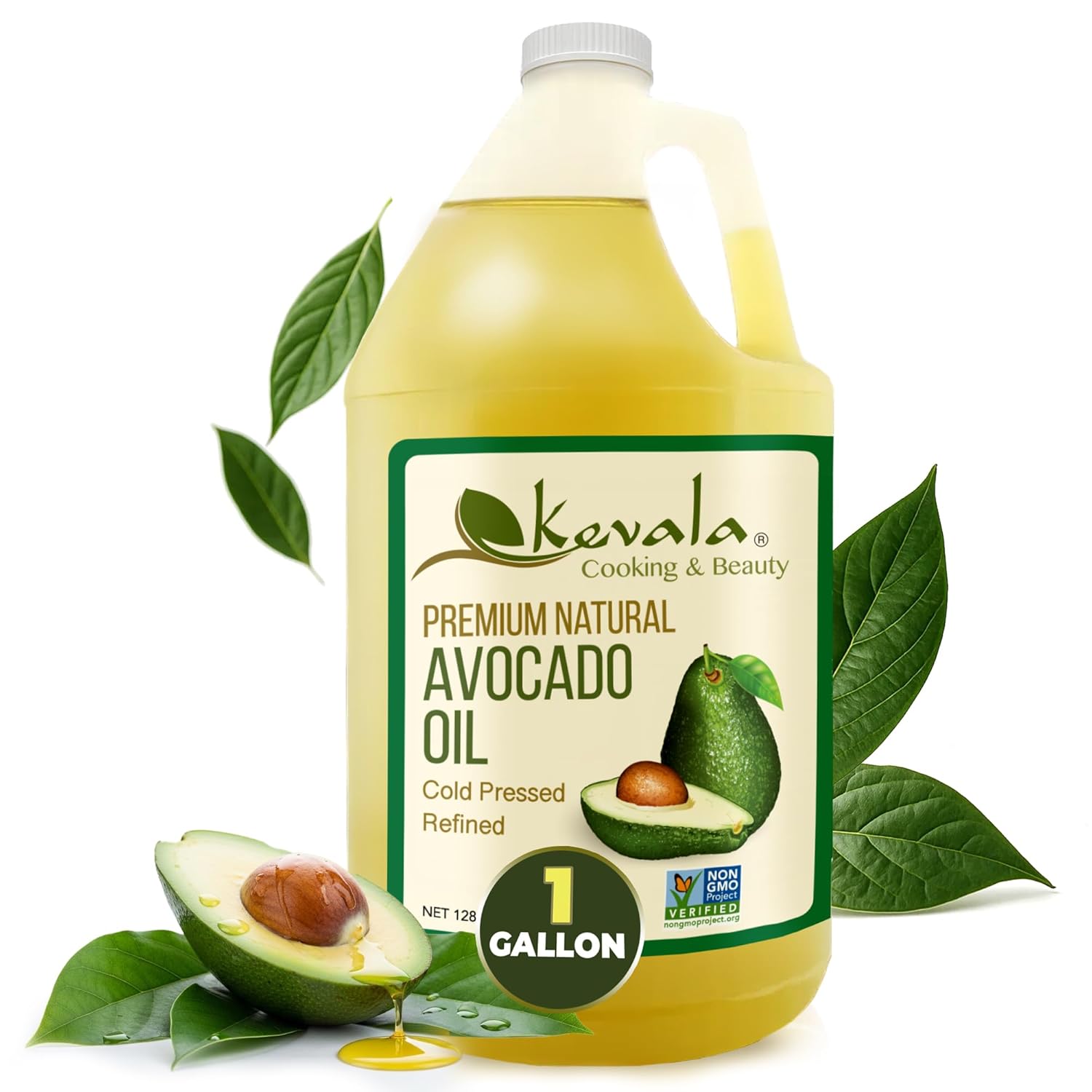
1. Avocado Oil (Top Choice)
Smoke point: Up to 520°F
Avocado oil is often considered the premium choice.
Why it works:
- Extremely high smoke point
- Neutral flavor
- Stable under high heat
- Excellent for both seasoning and cooking
Because it tolerates extreme heat, it reduces the risk of uneven bonding during seasoning.
Refined high smoke point avocado oil is one of the safest and most durable options for flat-top cooking.
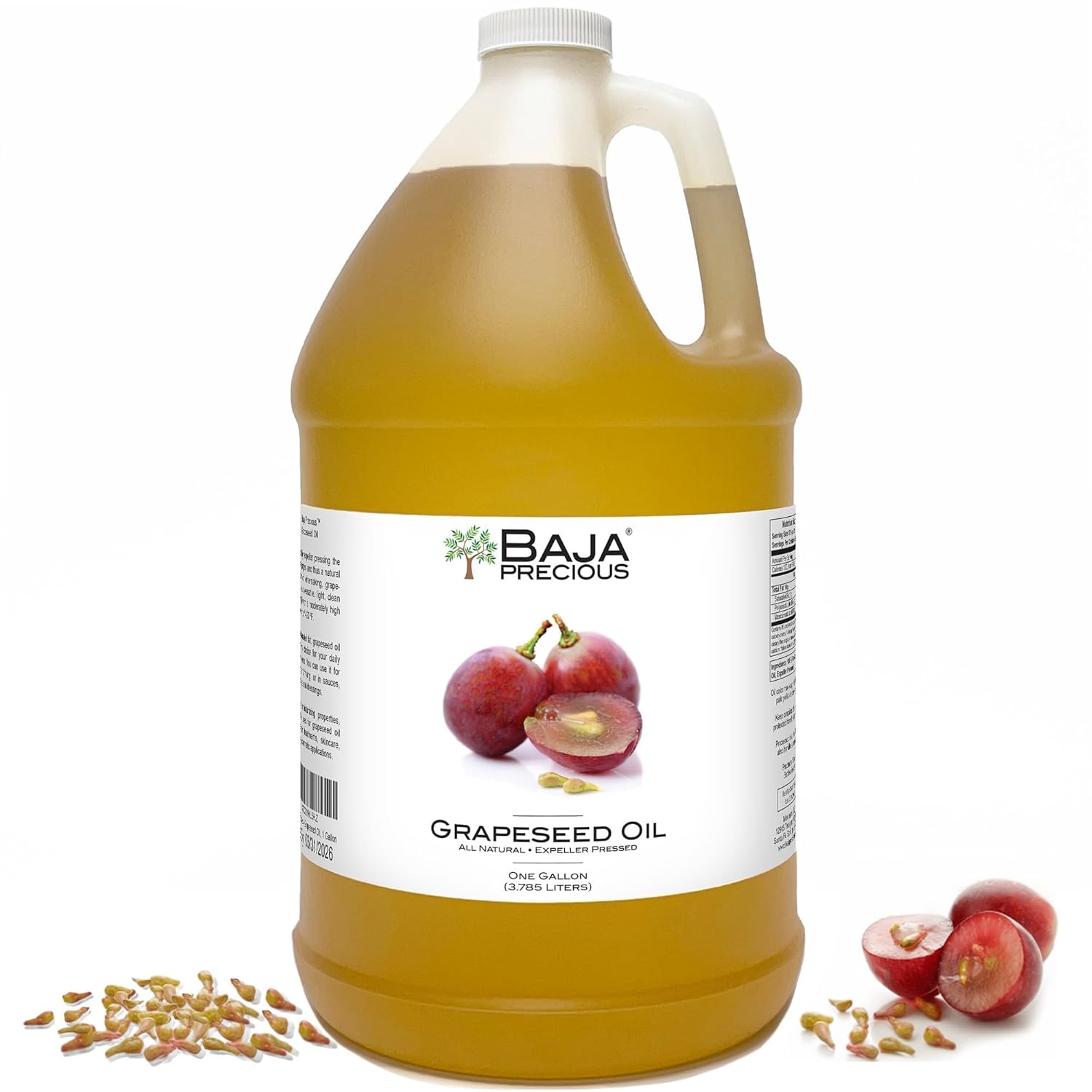
2. Grapeseed Oil
Smoke point: 470–510°F
Grapeseed oil performs very well on Blackstone griddles.
Benefits:
- High smoke point
- Light, neutral taste
- Bonds evenly during seasoning
- Dries quickly into a smooth layer
It’s slightly more expensive than canola but produces excellent results.
3. Canola Oil
Smoke point: 400–475°F
Canola oil is the most commonly used option.
Advantages:
- Affordable
- Easy to find
- Reliable performance
- Good for beginners
It may not have the highest smoke point available, but it’s more than sufficient for seasoning and everyday cooking.
Canola Oil for Seasoning Blackstone Griddle (Is It a Good Choice?)
4. Vegetable Oil
Smoke point: 400–450°F
Vegetable oil is typically a blend of soybean or corn oils.
Why it works:
- Budget-friendly
- Widely available
- Stable under high heat
It behaves similarly to canola oil and is perfectly acceptable for Blackstone seasoning.
5. Blackstone Griddle Seasoning & Conditioner
Some users prefer a purpose-formulated option like Blackstone Griddle Seasoning & Cast Iron Conditioner.
This product is engineered specifically for:
- Cold-rolled steel
- Even polymerization
- Reduced sticky buildup
While not mandatory, it simplifies the seasoning process for beginners.
Oils to Avoid on a Blackstone Griddle
High heat cooking means some oils simply aren’t suitable.
Extra Virgin Olive Oil
Smoke point: ~375°F
Breaks down too quickly
Can create sticky residue
Butter
Smoke point: 300–350°F
Burns easily
Contains milk solids
Bacon Grease
Contains salt and impurities
Not ideal for initial seasoning
Unrefined Coconut Oil
Lower smoke point
Strong flavor
These oils may be fine for low-heat cooking, but they are not ideal for seasoning.
Seasoning vs Cooking: Does Oil Choice Change?
Yes—and no.
For seasoning:
- High smoke point is critical
- Neutral flavor is preferred
- Thin layers are essential
For cooking:
- You still want a high smoke point
- Flavor preference can matter more
Many people season with canola or avocado oil, then cook with butter for flavor (at lower temperatures).
How Much Oil Should You Use?
Even the best high smoke point oil will fail if applied incorrectly.
For seasoning:
- Use about 2–3 tablespoons per layer
- Spread into an extremely thin coat
- Wipe excess oil completely
Thick oil layers cause sticky buildup. Thin layers create strong, durable seasoning.
How Many Layers Are Needed?
Typically:
- 3–5 layers for new seasoning
Each layer requires:
- High heat
- Full smoke cycle
- Waiting until smoke stops completely
Each cycle takes about 15–30 minutes.
Rushing this process is one of the biggest seasoning mistakes.
Does Expensive Oil Make a Big Difference?
Not necessarily.
Canola and vegetable oil work extremely well and are cost-effective. Avocado oil provides more heat stability but costs more.
Technique matters more than brand.
Maintaining Your Seasoning
After each cook:
- Scrape while warm
- Wipe clean
- Apply a very thin oil coat
Using the same high smoke point oil consistently helps maintain a stable seasoning layer.
Quick Comparison Chart
Best high smoke point oils for Blackstone:
- Avocado oil (premium, highest smoke point)
- Grapeseed oil (excellent bonding)
- Canola oil (budget-friendly and reliable)
- Vegetable oil (widely available)
- Blackstone conditioner (formulated option)
Avoid low smoke point oils like olive oil and butter for seasoning.
Final Recommendation
If you want the safest, most reliable choice:
- Use canola oil for consistent, affordable results
- Use avocado oil for maximum heat stability
- Use a purpose-made conditioner if you prefer brand-specific simplicity
The real key to success isn’t the oil alone—it’s using thin layers, high heat, and patience.
High smoke point oil protects your steel, strengthens your seasoning, and keeps your Blackstone performing the way it was designed to.