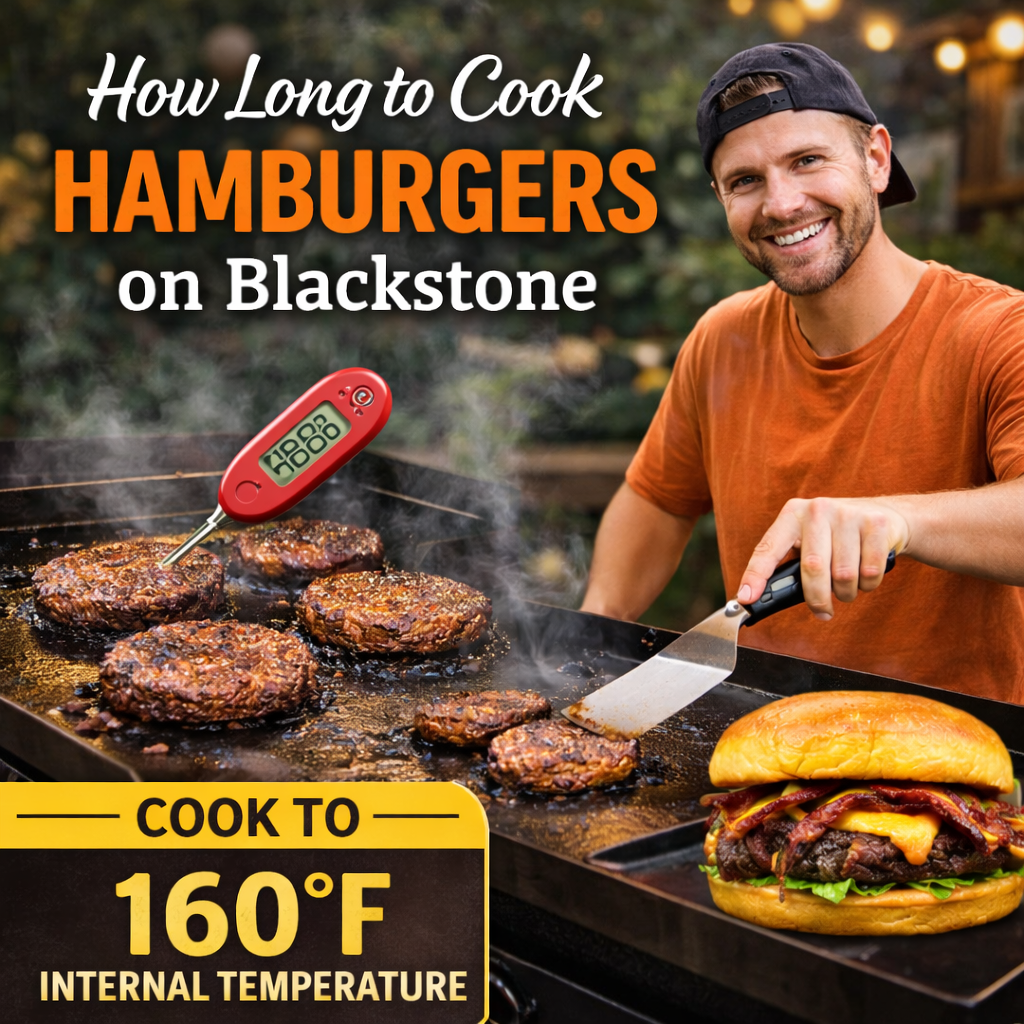
If you’re wondering how long to cook hamburgers on Blackstone, the short answer is:
6 to 8 minutes total for standard fresh patties.
But that’s only part of the story.
The exact cook time depends on:
- Patty thickness
- Smash vs traditional style
- Fresh vs frozen
- Desired doneness
- Griddle temperature
Blackstone griddles cook differently than backyard grills. Because you’re cooking on a flat steel surface, you get full meat contact and a deep crust much faster.
Let’s break it down properly so you never overcook (or undercook) a burger again.
Table of Contents
Step 1 – Preheat the Blackstone Properly
Before timing even matters, temperature matters.
Preheat your Blackstone for 10–15 minutes.
Ideal surface temperature:
375°F to 400°F
This is the sweet spot for burgers.
Too low? No crust.
Too high? Burned outside, raw inside.
If you want consistent results, using an infrared thermometer helps verify surface heat before cooking.
Once your griddle reaches 375–400°F, you’re ready.
Cooking Time by Patty Type
Not all burgers cook the same.
Let’s break down cook times clearly.
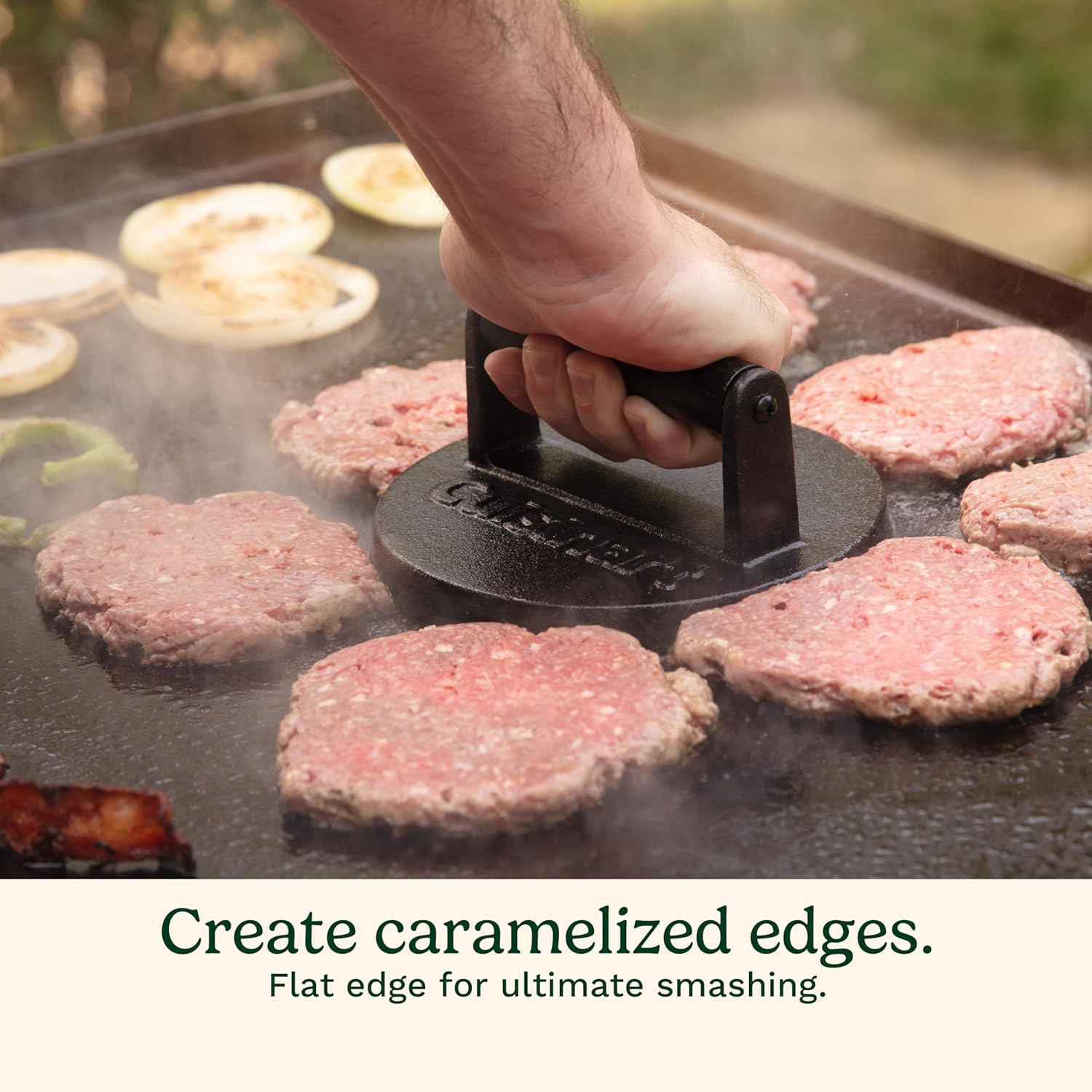
Smash Burgers (¼-inch thin)
Cook time: 3–5 minutes total
First side: 2–3 minutes
Flip side: 1–2 minutes
Smash immediately after placing the meat ball on the hot griddle. Use firm pressure to create full contact with the surface.
Why they cook fast:
They’re thin.
They sear quickly.
They develop a crust rapidly.
You’ll see crispy edges forming within minutes.
Add cheese immediately after flipping and cover with a dome for perfect melt.
Breakfast on the Blackstone (Ultimate Flat Top Morning Guide
Standard Fresh Patties (½-inch thick)
Cook time: 6–8 minutes total
First side: 3–4 minutes
Second side: 3–4 minutes
Wait until juices pool on top before flipping.
Flip once. That’s it.
Avoid pressing the burger unless you want dry meat.
Thick Gourmet Patties (¾ to 1-inch)
Cook time: 8–12 minutes total
First side: 4–6 minutes
Second side: 4–6 minutes
These require slightly lower heat to prevent burning.
If the outside browns too quickly, move to a slightly cooler zone and allow internal temp to rise gradually.
Frozen Patties
Cook time: 10–14 minutes total
First side: 5–7 minutes
Second side: 5–7 minutes
Frozen burgers need extra time because the center must thaw while cooking.
Avoid smashing frozen patties — they crack.
Cook fully before flipping to prevent tearing.
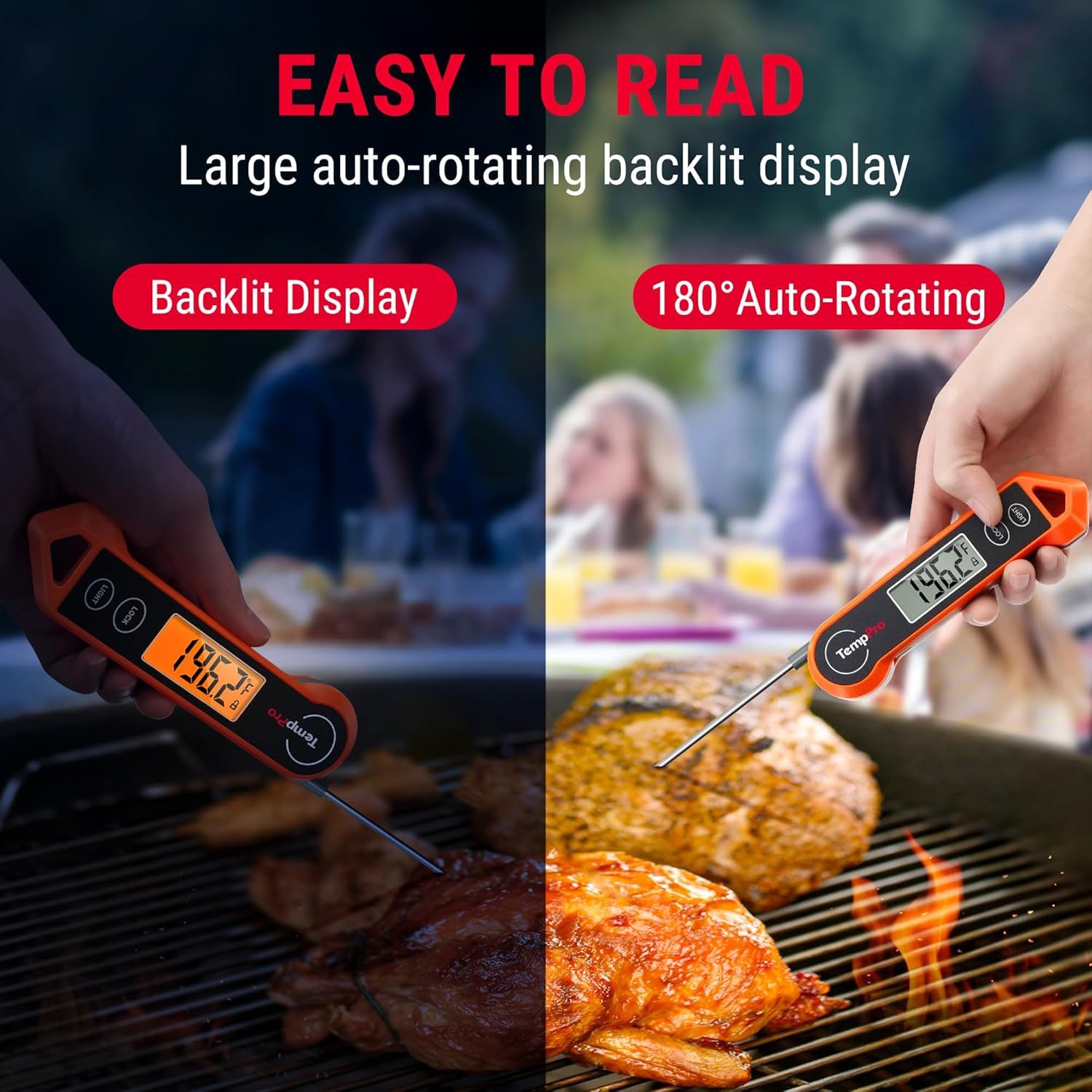
Internal Temperature Guide (Most Important)
Time is helpful.
Temperature is accurate.
Use a meat thermometer.
Here’s your doneness guide:
Medium-Rare: 130–135°F
Medium: 140–145°F
Medium-Well: 150–155°F
Well-Done (Safe Minimum): 160°F+
For food safety, ground beef should reach 160°F.
Insert thermometer sideways into the center for the most accurate reading.
The Single Flip Rule
For traditional burgers:
Flip only once.
Why?
Constant flipping prevents crust formation.
The Maillard reaction (that golden-brown crust) happens when meat stays in contact with hot steel long enough.
Flip when:
- Edges look cooked
- Juices pool on top
- Bottom has a solid brown crust
Then leave it alone again.
Should You Press Burgers?
Only press smash burgers.
Pressing traditional patties squeezes out juices and leads to dry meat.
If you see flare-ups on a charcoal grill, pressing might make sense.
On a Blackstone? No need.
Let the griddle do the work.
How to Melt Cheese Perfectly
Timing matters here too.
Add cheese during the last 60 seconds of cooking.
For perfect melt:
Place cheese
Add a squirt of water beside (not on) the burger
Cover with a melting dome
Steam melts cheese evenly and quickly.
Without a dome, cheese may soften but not fully melt.
Breakfast on the Blackstone (Ultimate Flat Top Morning Guide
Toasting the Buns
Do this while burgers finish cooking.
Butter the buns lightly.
Place them on a cooler section of the griddle for 1–2 minutes.
Watch closely — they toast quickly.
Golden brown edges make a massive difference in flavor.
How Heat Zones Help
One advantage of a Blackstone is multiple burners.
Create zones:
High heat zone for searing
Medium zone for finishing
Low zone for buns
This prevents overcooking while keeping everything moving.
Why Blackstone Burgers Taste Better
Because of full surface contact.
Unlike traditional grills where meat sits on grates, the Blackstone:
Sears the entire bottom surface
Locks in juices
Creates uniform crust
Retains fat instead of dripping it away
That diner-style crust is what makes the difference.
Common Burger Cooking Mistakes
Cooking on low heat
Flipping too early
Pressing patties repeatedly
Overcrowding the surface
Not preheating long enough
Skipping thermometer checks
Most burger problems come from impatience.
Heat first. Then cook.
How Long to Rest Burgers
Let burgers rest 3–5 minutes before serving.
Resting allows juices to redistribute.
Cutting immediately causes juices to run out.
Ideal Burger Thickness for Blackstone
Best results come from:
¼ lb patties for smash
⅓ lb patties for traditional
½ lb patties for thick gourmet
Too thick without lowering heat can cause burning.
Best Ground Beef Ratio
80/20 is ideal.
Why?
Higher fat creates better crust.
More flavor.
Juicier texture.
Lean beef like 90/10 tends to dry out quickly.
Can You Cook Other Meats at the Same Time?
Yes.
Blackstone surface is large enough to cook:
Bacon
Onions
Mushrooms
Peppers
Eggs
Cook sides simultaneously using heat zones.
This is why Blackstone is popular for burger nights.
Quick Burger Cooking Time Chart
Smash Burger
3–5 minutes total
Standard ½-inch Patty
6–8 minutes total
Thick 1-inch Patty
8–12 minutes total
Frozen Patty
10–14 minutes total
Always confirm with thermometer.
How Wind Affects Cook Time
Outdoor cooking means environment matters.
Wind reduces surface temperature.
If cooking in windy conditions:
Preheat longer
Consider wind guards
Expect slightly longer cook times
Cold weather can also extend cooking duration by 1–2 minutes per side.
Final Thoughts
If you’re asking how long to cook hamburgers on Blackstone, remember this:
Thin smash burgers: 3–5 minutes
Standard patties: 6–8 minutes
Thick burgers: 8–12 minutes
Frozen burgers: 10–14 minutes
But internal temperature matters more than time.
Preheat properly.
Flip once.
Don’t press.
Use heat zones.
Check temperature.
Master those steps and your burgers will come out juicy, crispy, and restaurant-quality every time.