How to Start BBQ Food Truck Business
Why BBQ Food Truck Business is a Smart Opportunity
Starting a BBQ food truck business is not just about selling food. It is about creating an experience that people remember. The smell of slow-cooked meat, the sound of sizzling grills, and the excitement of watching food prepared fresh in front of customers create a strong attraction. Barbecue has universal appeal because it combines rich flavor, satisfying portions, and visual cooking experience.
Many people dream of starting their own business but feel worried about the high investment required for opening a restaurant. A BBQ food truck offers a more flexible option with lower startup costs and the freedom to move between different selling locations. Instead of waiting for customers to visit a fixed shop, the business can go directly to places where customers already gather.
Food festivals, night markets, office areas, college zones, and public events provide excellent opportunities to sell barbecue meals. With the right planning, a BBQ food truck can become a stable and profitable business over time.
Table of Contents
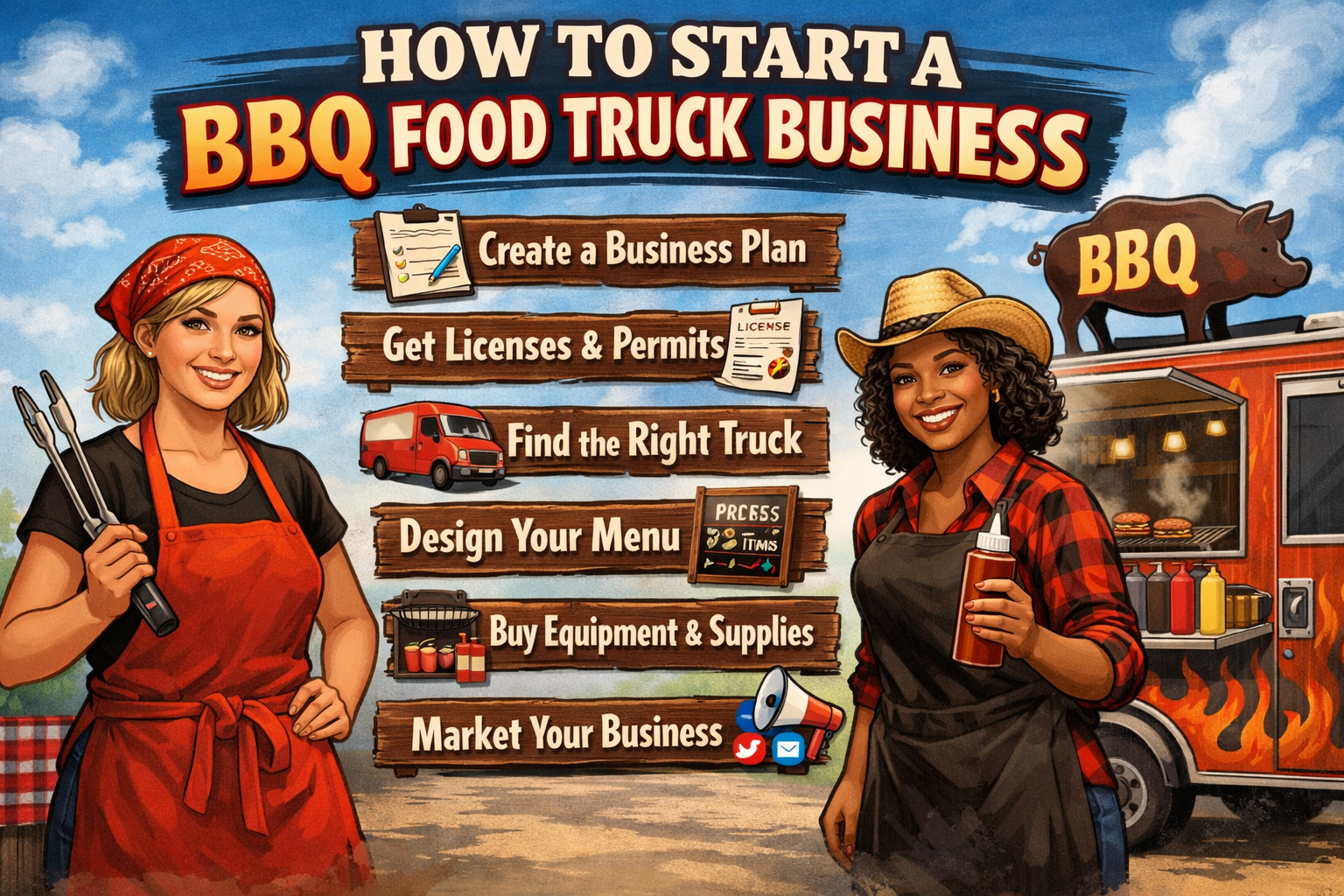
Step 1 – Choose Your BBQ Style and Menu – How to Start BBQ Food Truck Business
Every successful food business begins with a clear concept. Deciding what type of barbecue you want to sell helps create a unique identity for your brand. Some businesses focus on traditional smoked brisket and ribs, while others specialize in grilled chicken, burgers, or fusion barbecue recipes.
Customers often remember food trucks for one special item that tastes different from competitors. Creating one or two signature dishes helps build brand recognition. A unique sauce or seasoning blend can make your food memorable and encourage repeat customers.
Keeping the menu simple helps maintain fast service speed. Food trucks operate in busy environments, so quick preparation is important. A small but high-quality menu often performs better than a large complicated menu.
Testing recipes before launching the business helps ensure consistent taste quality.
Step 2 – Plan Your Budget and Investment
Starting a BBQ food truck requires careful financial planning. Major costs include the vehicle, cooking equipment, licenses, branding, and raw materials. Budget planning helps avoid unexpected expenses and ensures smoother business operations.
Entry-level food truck setups can start with moderate investment depending on customization level. Larger trucks with advanced smokers and refrigeration systems cost more but provide higher cooking capacity.
Many business owners start with basic equipment and upgrade gradually as profits increase. This approach reduces financial pressure during the initial stage.
Planning working capital for at least a few months helps maintain business stability while building customer base.
Proper budgeting increases chances of long-term success.
Step 3 – Select the Right Food Truck or Trailer
The food truck or trailer is the heart of the business. Choosing the right size depends on menu complexity and expected customer volume. Smaller trucks are easier to manage and suitable for beginners, while larger trucks allow multiple cooking stations.
Some entrepreneurs prefer trailers because they cost less than full trucks. Trailers can be attached to vehicles and provide similar cooking capabilities.
Interior layout plays an important role in daily workflow. Cooking equipment, preparation area, and storage space should be arranged efficiently to reduce movement during busy hours.
Good layout improves speed and reduces stress during operations.
BBQ Food Truck Cost – Complete Budget Guide for Starting a Profitable BBQ Business
Step 4 – Buy Essential BBQ Equipment
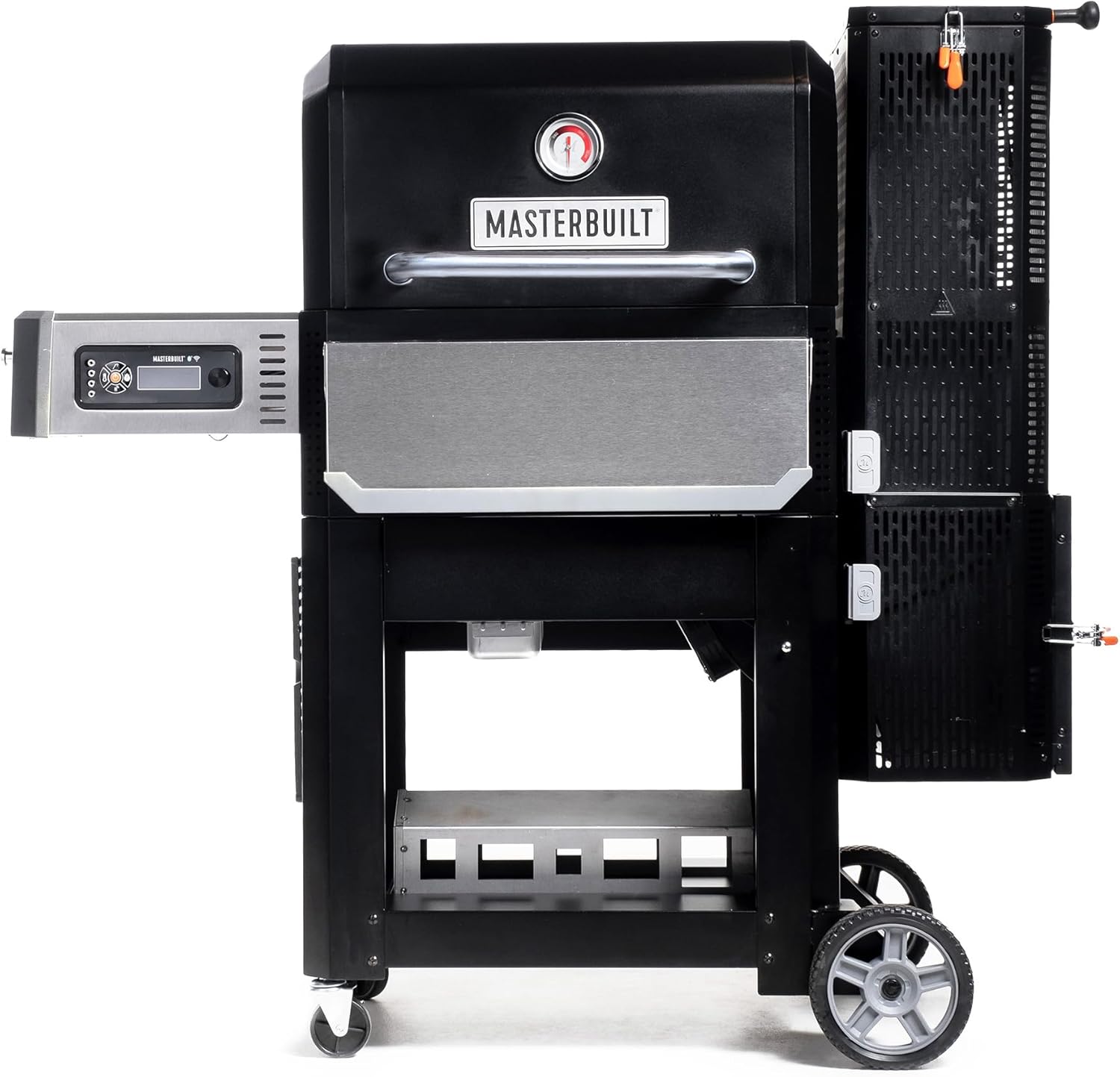
Barbecue cooking requires specialized equipment that can handle high heat and long cooking durations. Smokers are commonly used for slow cooking meats such as brisket, ribs, and pulled pork. Grills are used for faster cooking items like burgers, chicken, and vegetables.
Flat top griddles may also be included for preparing sandwiches or side dishes. Refrigeration units help keep ingredients fresh throughout the day.
Reliable cooking equipment improves consistency and reduces chances of food quality issues. Investing in durable equipment helps avoid frequent repairs.
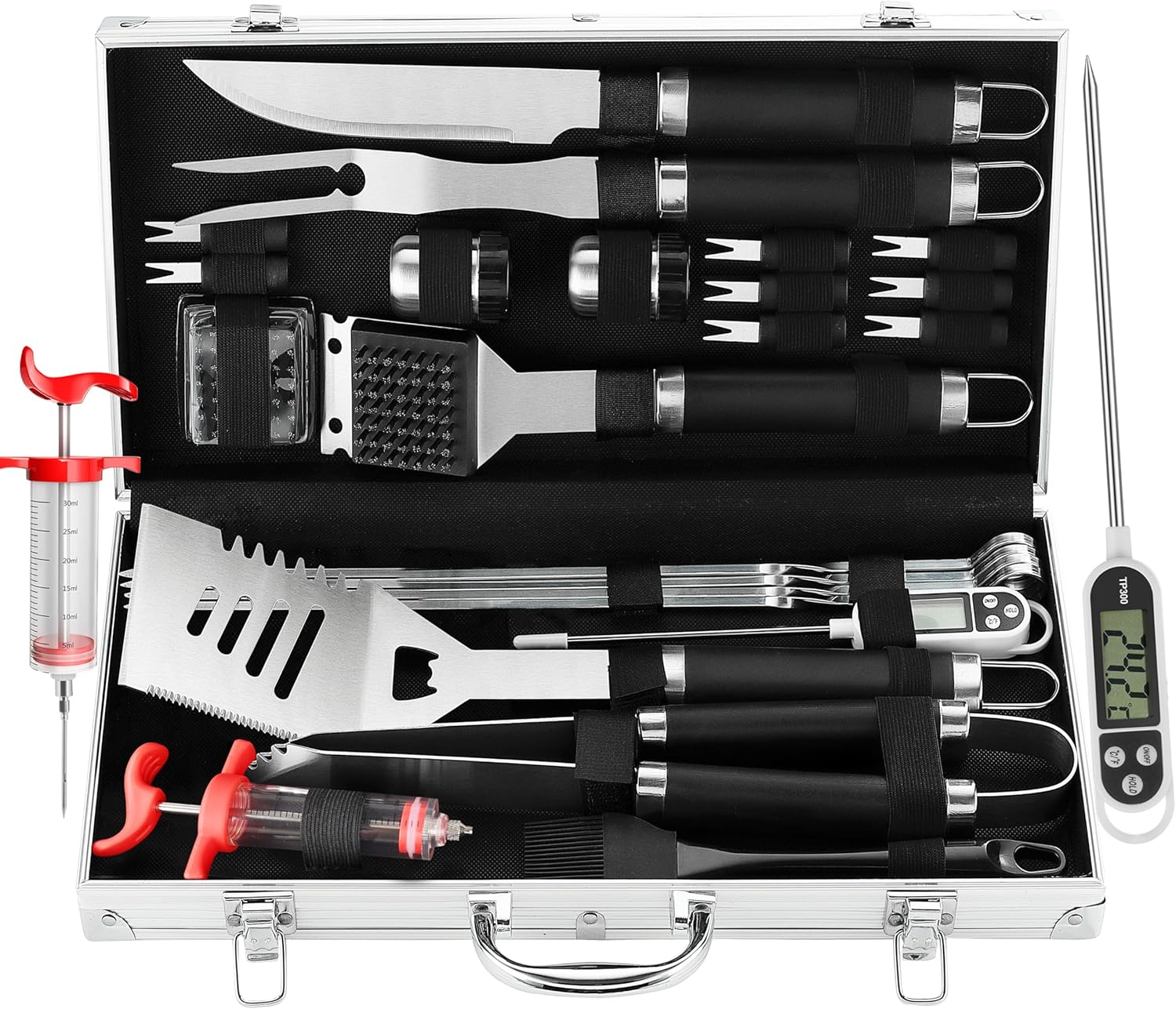
Proper tools improve cooking confidence and help maintain consistent flavor.
Step 5 – Obtain Permits and Licenses
Legal approval is necessary before starting food truck operations. Different locations may require different permits depending on local regulations. Food safety certification ensures hygiene standards are maintained during food preparation.
Fire safety approval is also important because barbecue cooking involves high heat and open flames. Health inspections ensure the kitchen meets required safety conditions.
Although documentation may take time, completing legal requirements prevents future problems. Customers also feel more confident when buying from licensed food vendors.
Understanding local rules helps avoid unnecessary delays during launch.
Step 6 – Choose the Best Selling Locations
Location plays a major role in food truck success. Areas with high foot traffic usually generate better sales. Business districts are good for lunch hours, while evening markets attract dinner customers.
Festivals, college areas, and public gatherings provide strong customer flow. Rotating between different locations helps identify the most profitable spots.
Some locations may require special permission for food truck parking. Researching local rules helps avoid operational issues.
Testing multiple locations helps understand customer preferences.
Strategic location planning improves daily sales performance.
BBQ Food Truck Cost – Complete Budget Guide for Starting a Profitable BBQ Business
Step 7 – Build Brand Identity and Promotion
Marketing helps attract customers and create awareness about the food truck. Attractive truck design with clear branding helps people notice the business easily. Eye-catching colors and logo design improve brand recognition.
Social media plays an important role in modern food business promotion. Posting food photos, menu updates, and location schedules helps customers find the truck easily.
Customer reviews help build trust and improve brand reputation. Positive feedback encourages new customers to try the food.
Consistent branding helps create a professional image.
Strong brand identity increases long-term growth potential.
Step 8 – Start Small and Improve Gradually
Many successful food businesses started with simple setups and improved gradually. Initial focus should be on food quality and customer satisfaction. Good taste creates repeat customers.
Listening to customer feedback helps improve menu and service. Small improvements over time create better business performance.
Learning daily operations helps identify areas for improvement. Experience improves confidence and efficiency.
Growth becomes easier when the foundation is strong.
Patience and consistency play an important role in success.
Challenges in BBQ Food Truck Business
Like any business, food trucks also face challenges. Weather conditions may affect outdoor sales. Equipment maintenance requires regular attention. Ingredient costs may fluctuate based on market conditions.
Managing inventory carefully helps reduce food waste. Proper planning helps maintain consistent profits.
Competition may also exist in popular locations. Offering unique flavors helps stand out from competitors.
Challenges become easier to manage with experience and planning.
Final Thoughts
Starting a BBQ food truck business requires effort, planning, and passion for cooking. The journey may feel challenging at the beginning, but the rewards can be satisfying. Serving fresh barbecue meals to happy customers creates motivation to continue growing.
Mobile food businesses provide flexibility and creative freedom. Owners can experiment with recipes and explore different selling locations.
With the right preparation and dedication, a BBQ food truck can become a stable and profitable business.
For people who enjoy cooking and want independence, this business model offers exciting possibilities.